
FSU Forever

The College of Arts and Sciences reflects on the foundational role it has played in FSU’s rich 175-year history

Wed, 07/01/26
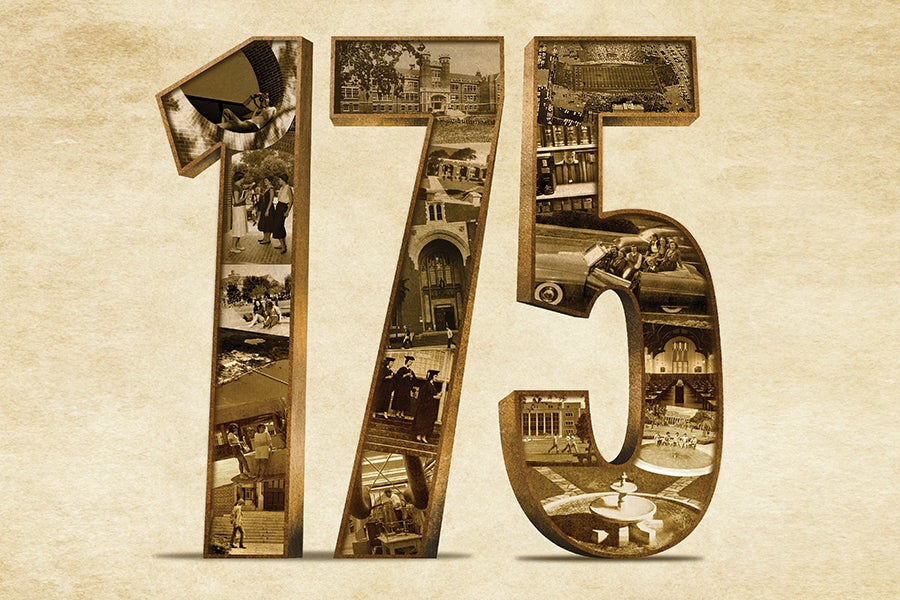
FSU 175 graphic

No entity is more inextricably linked to Florida State University’s history than the College of Arts and Sciences. The college’s legacy harkens back to the institution’s very beginning — before it was even known as FSU.  

For alumni like Mart Hill, who earned a bachelor’s degree in English and theater from the Florida State College for Women in 1942, opportunities presented by the college stretched well beyond academia.

"By becoming involved, you feel like you can improve your mind, as well as form relationships with other people,” said Hill, who passed away in 2023 at age 104 as the oldest living Arts and Sciences alumna. “In my case, I feel like I’m communicating with people who are more intellectual than I am, and I can learn from them.”

Since Hill’s time on campus, the college has remained the academic core of the university, teaching nearly half of all current undergraduate credit hours. Its expansive impact on the university community has continued to grow since what’s now FSU was first founded in 1851. 

Initial Years

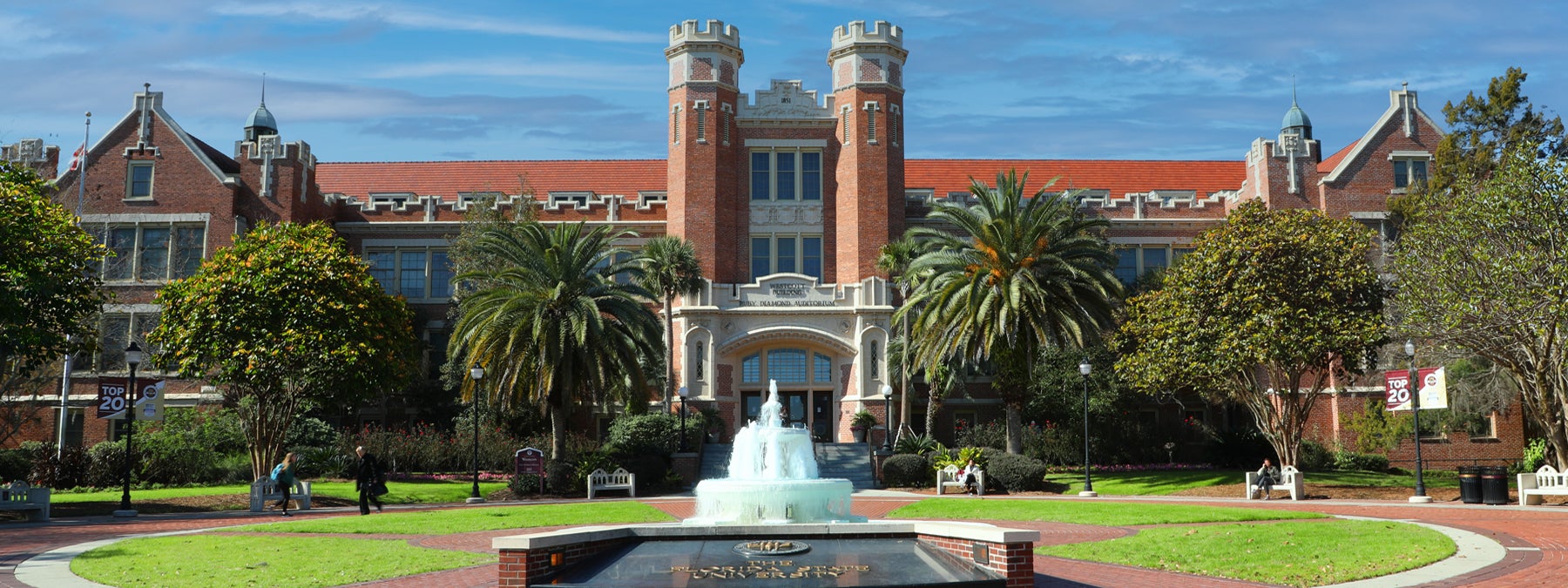
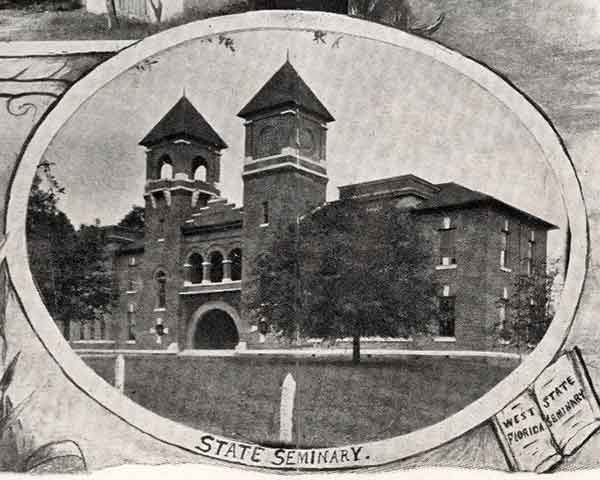
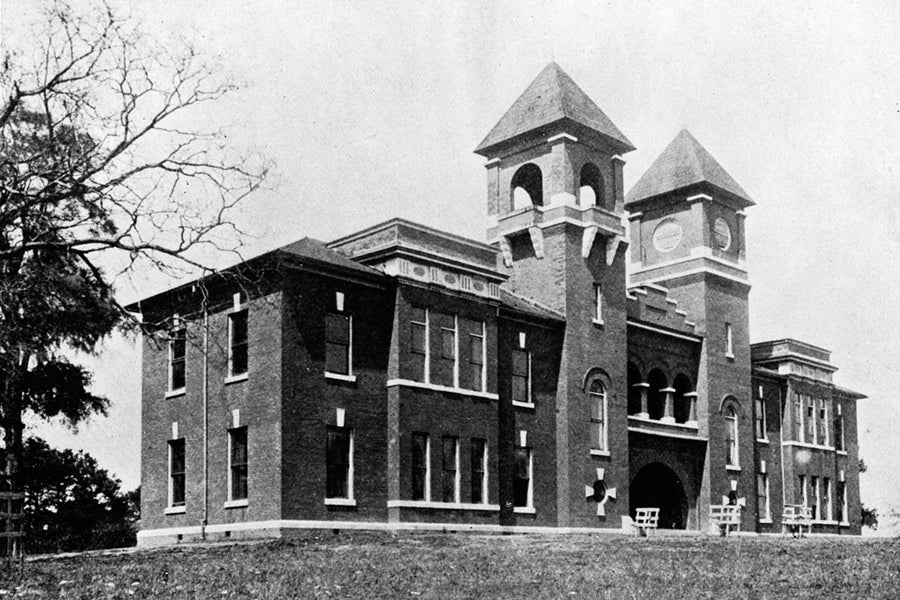
In January 1851, the Florida Legislature established the West Florida Seminary — the foundation of the FSU we know and love today — perched atop the hill where the Westcott Building and plaza now stand. It began operating in 1857, only 12 years after Florida achieved statehood.

“In the beginning, as FSU grew, it was primarily the College of Arts and Sciences that grew,” said dean Sam Huckaba. “Disciplines including mathematics, English, and history were in place at the founding, and those early offerings formed the basis of FSU’s first academic college, the College of Arts and Sciences.”

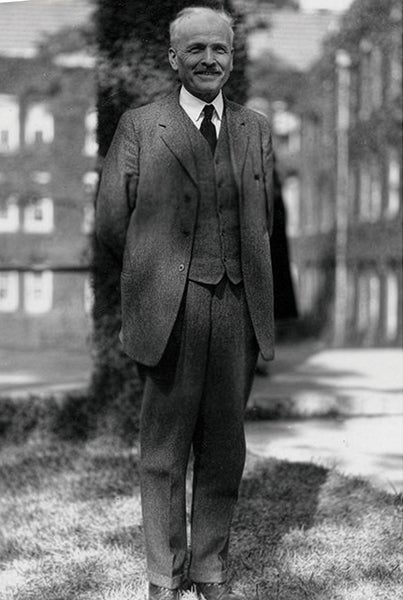
The introduction of a military section and cadet training led to the West Florida Seminary operating as the Florida Collegiate and Military Institute from 1863 until the early 1900s. Albert A. Murphree, a charismatic and ambitious mathematics teacher, was just 27 years old when he was appointed president in 1897, two years after being hired as faculty.

Following the turn of the century, in 1901, the school became a four-year institution, Florida State College, and built a reputation for its strong liberal-arts program. Arts and Sciences was among four original colleges that provided education in disciplines like English, mathematics, home economics, education, music and more.

Beloved by his students, the 1901-1902 yearbook featured sentiments about Murphree: “A man of untiring energy, of constant sympathy with the aspirations of all his students, of sound judgment, of high integrity and rugged honesty, he has, by his interest in the students, and the example set before them of his pure, noble life, won their love and esteem forever.”
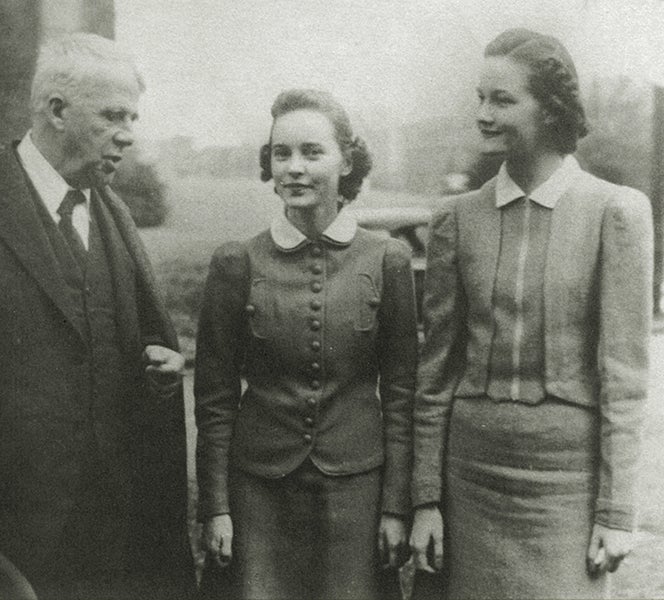
Mart Hill (center) with renowned poet Robert Frost and another FSCW student. Courtesy Mart Hill.

Reorganizing for Growth

The Buckman Act in 1905 reorganized Florida’s higher education by consolidating six state institutions into two: The University of Gainesville was founded and became the men’s school while Florida State College became Florida Female College, eventually renamed the Florida State College for Women. Though this move surprised Murphree, he remained determined to transform the college into one of the country’s best academic institutions.

And he did. FSCW, beginning with a student body of 204, quickly emerged as a leading center for women’s higher education in the South, and Arts and Sciences disciplines awarded the institution’s first master’s degrees in 1908 and 1909. Psychologist Edward Conradi was appointed Arts and Sciences dean in 1909 and became FSCW president shortly after.

“Creative activity is a fundamental characteristic of all human life,” Conradi said in a letter. “Many of the choicest landmarks, lighthouses along the path of human progress, are the creations of the great artists of the world, and we should recognize the value of this great creative work just as we recognize the value of literature, of mathematics, and of science in our schools. Long before those periods of which the archaeological records give us some information, creative activity was a fundamental characteristic of man. If it had not been so, our present civilization would not be.”

Familiar Faces

While serving as president, Conradi also taught FSCW’s first experimental psychology course, and he played a significant role in the college’s growth. Under his leadership, FSU legends-in-the-making strolled the campus: Nathaniel Moss Salley, School of Education dean; William Hudson Rogers and Rowena Longmire, Department of English faculty; Arthur Williams, FSCW vice-president; and Raymond Bellamy, social sciences faculty. Today, FSU students live and learn in residence halls and classroom buildings named in honor of their contributions.

If you’ve ever walked through the Longmire Alumni Building, you may have been stunned by the beauty of the Beth Walton Moor Lounge, located on the building’s main floor. Beth Walton Moor attended FSCW during Conradi’s presidency and received her bachelor’s degrees in mathematics and home economics in 1918. As an active alumna, Moor became the first president of Friends of the FSU Library, a charter member of the Board of Trustees and of the FSU Foundation, and she held every elective position in the FSU Alumni Association.

Moor often entertained well-known figures visiting FSCW’s campus, including Eleanor Roosevelt when she spoke at FSCW in 1940. She also served as the primary organizer for fundraising efforts for the construction of Longmire, which now houses the lounge named in her honor. Tallahassee named Moor “Woman of the Year” in 1967.

“When I think of Beth Moor, I think of FSU and her love for her alma mater,” said former FSU president John Champion during Beth Moor Day in June 1967, which three Florida governors — Millard Caldwell, Spessard Holland, and Leroy Collins — also attended.

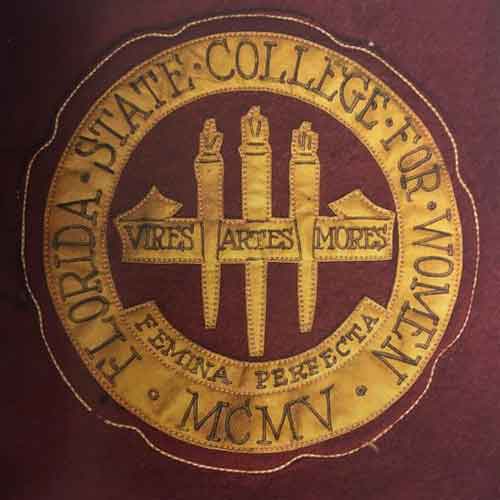
By the 1930s, FSCW was the third largest women’s college in the nation. This was also when the FSCW slogan — the current Florida State University motto — was created alongside the original FSU seal.

The Latin “Vires, Artes, Mores” translates to “Strength, Skill, and Character,” emphasizing the preparation of students physically, mentally and morally. These words, printed on a ribbon entwined through three torches, represent the relentless pursuit of excellence that the College of Arts and Sciences has always embodied.

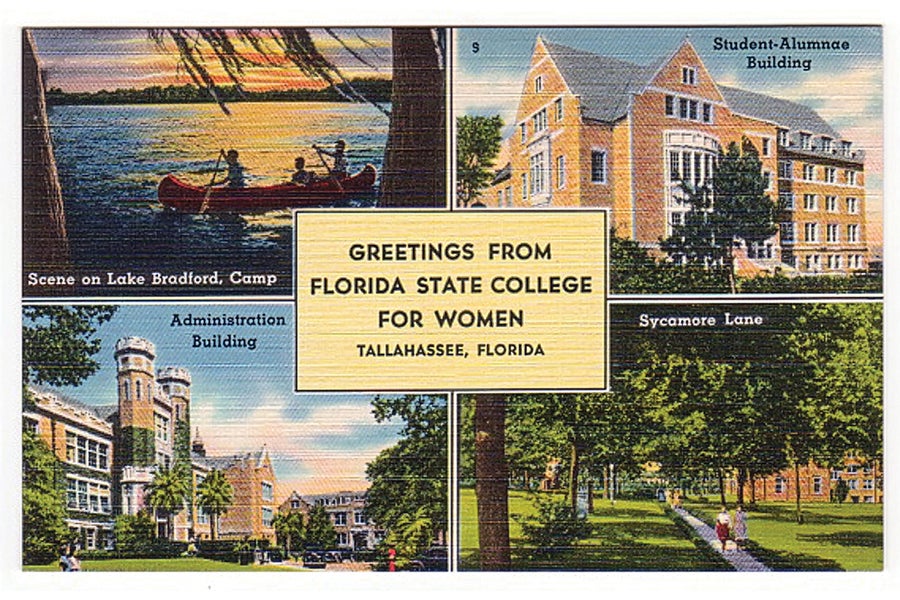
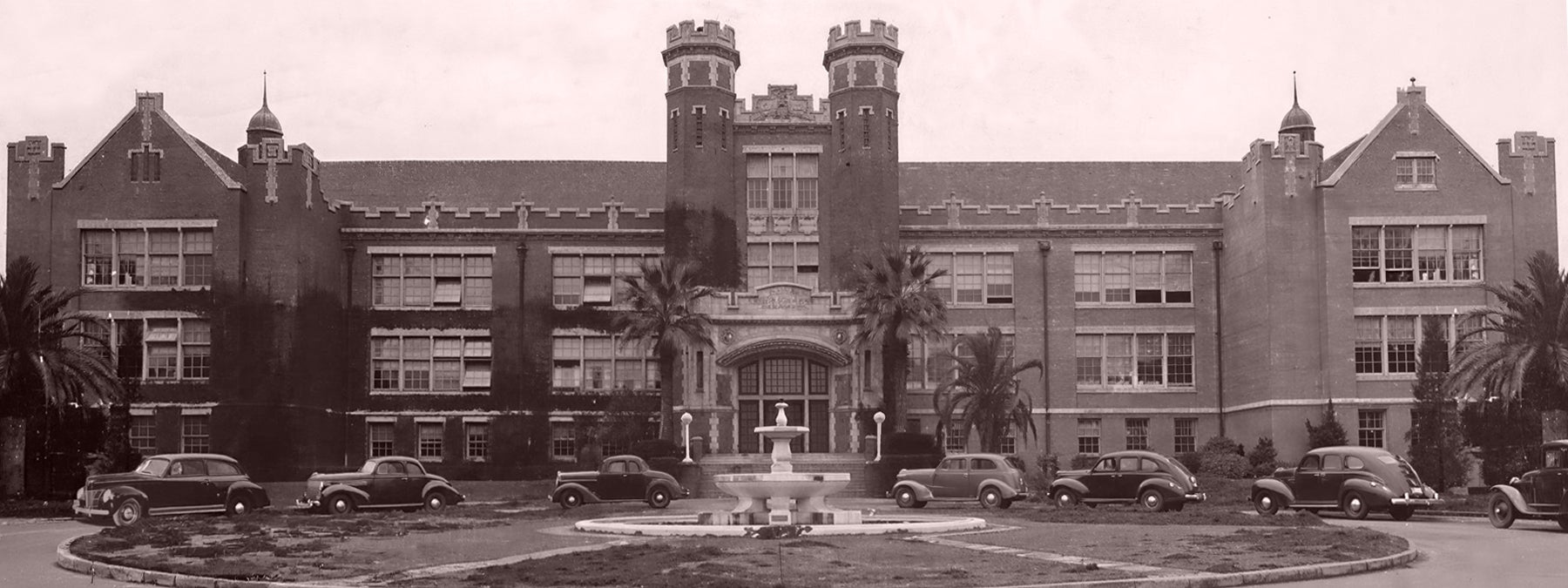
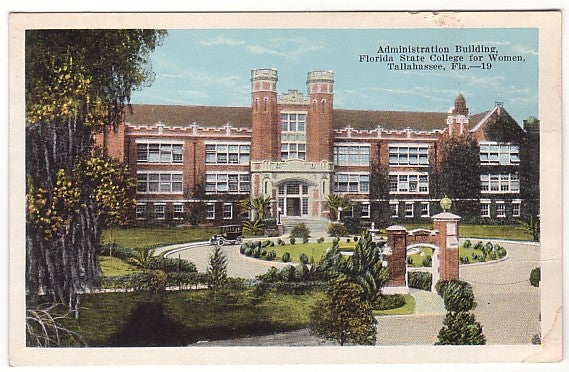
The Florida State College for Women administrative building, courtesy FSU Libraries Special Collections and Archives.
Edward Conradi, courtesy FSU Libraries Special Collections and Archives.
Views from FSCW, courtesy FSU Libraries Special Collections and Archives.
The Florida State College for Women administrative building, Edward Conradi, and views from FSCW. Courtesy FSU Libraries Special Collections and Archives.

Transition to FSU

FSU students, faculty, alumni, and parents alike share stories of their time cheering on generations of Seminole football teams at the Doak S. Campbell Stadium, but not everyone realizes that Campbell was at the helm as FSU’s president during major institutional shifts. After becoming president of FSCW in 1941, Campbell oversaw the evolution to the modern era that started in 1947. 

Following the end of World War II, thousands of veterans returned home and sought to use their newly earned G.I. Bill education benefits. The volume of demand led the Florida Legislature to return FSCW to coeducational status and, under Campbell’s presidency, Florida State University was officially established as Florida’s first coeducational institution of higher learning.

Campbell also hired Edwin Walker in 1948 to teach philosophy. Walker, when promoted to College of Arts and Sciences dean in 1949, spearheaded colossal initiatives in strengthening FSU’s science programs to match its strength in liberal arts, hiring bright young scientists and establishing a new tone of scholarship on campus.

“I gave [Walker] as near carte blanche as I have ever given anybody in the location and attraction of young [faculty] who were highly trained in the branches of science to which we expected to give our attention,” Campbell said in a 1971 quote that was included in FSU Voices: An Informal History of 150 Years, published in 2002 by creative writing faculty member Maxine Stern.

Expansion and Evolution

By the next year, 1950, Walker had hired more than 200 new faculty across scientific disciplines as well as arts and humanities, and the university joined its first research consortium — the Oak Ridge Institute of Nuclear Studies — soon after that.

FSU was granted its first doctoral programs in chemistry, physiology, zoology, and botany in 1950, with the College of Arts and Sciences awarding FSU’s first doctorate in chemistry in 1952. Thanks to the abundance of new faculty on campus, doctoral programs in meteorology and physics stood up soon after.

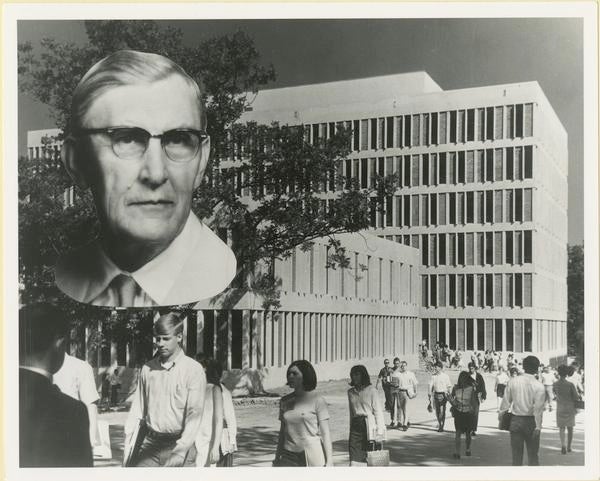
This wave of incoming faculty, known as the ’49ers, would go on to shape FSU’s trajectory for decades. The group also included scholars in the humanities — Robert O. Lawton served in various roles in the Department of English before he was promoted to dean of the college in 1966. He returned to English faculty in 1972 but five years later became vice president for academic affairs and provost under then-president Bernard Sliger.

As dean, Lawton was responsible for the hiring of renowned physicist Paul Dirac in 1972, who was a contemporary of Albert Einstein and widely regarded as the father of quantum mechanics. In 1933, Dirac was awarded the Nobel Prize in physics alongside Erwin Schrödinger for their work in atomic theory, and he established at FSU a strong foundation for theoretical physics that continues to this day.

Now, physicists, alongside chemists and other Arts and Sciences researchers, support the FSU Initiative in Quantum Science and Engineering that fosters inter- and intra-institutional research collaborations to accelerate the discovery of novel quantum phenomena with direct applications in our daily use of technology.

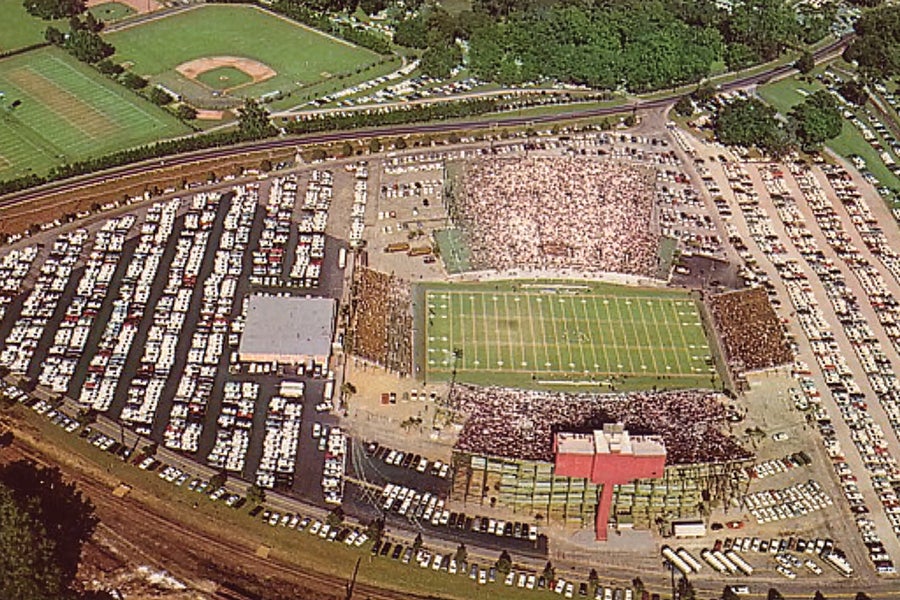
An aerial view of Doak S. Campbell Stadium in the early 1980s.
An aerial view of Doak S. Campbell Stadium in the early 1980s. Courtesy Florida Memory.
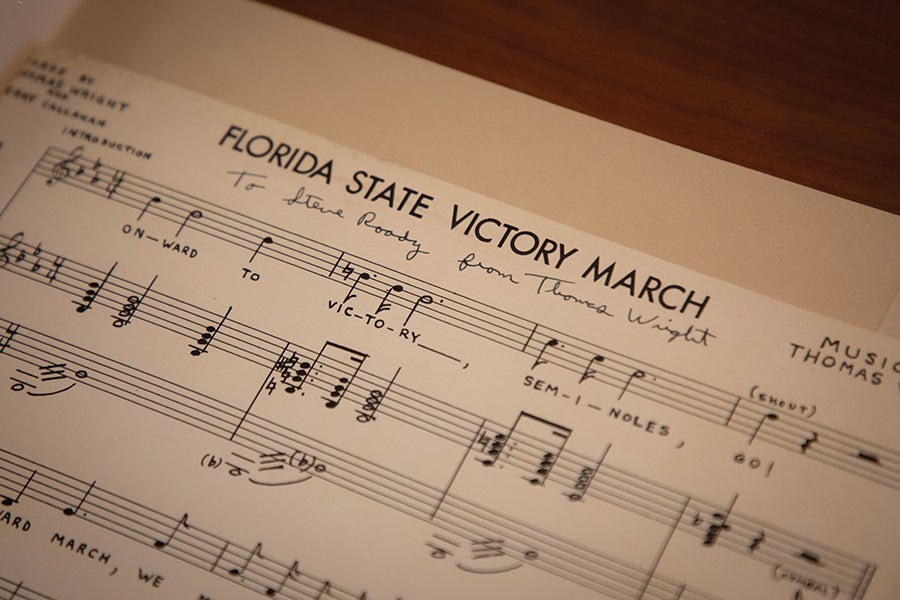
The original sheet music for the "Florida State Victory March.”
The original sheet music for the "Florida State Victory March.” Courtesy Conradi Collection, FSU Libraries Special Collections and Archives, photo by Devin Bittner.

The Lawton Legacy

Also continuing to this day is Lawton’s legacy — in 1981, the university’s Distinguished Professor Award, first granted for academic year 1957-1958, was renamed to the Robert O. Lawton Distinguished Professor Award in his honor after his death in an automobile accident in 1980. Recipients of the award, the highest distinction FSU faculty can give to one of their own, embody Lawton’s collegiality and humility.

“One evening, someone knocked on my door and said, ‘Hi, I’m Bob Lawton,’” said James C. Smith, late Lawton Professor Emeritus of Psychology who served on FSU’s faculty for more than 50 years, of his first encounter with Lawton. “I didn’t know who he was — maybe an insurance salesman or car salesman — but I invited him in, and it became apparent that he was part of the university system in some way. We invited him for supper, to which he responded, ‘I thought you’d never ask.’”

The annual award recognizes a tenured professor that has achieved true distinction in their discipline or profession and has been at the university at least 14 years. Though scholarly distinction is the primary qualification, the award also honors and exemplifies quality teaching, including the directing of graduate research and service to the university and academic community at large.

The College of Arts and Sciences has had 60 faculty members named Lawton Distinguished Professors since the award was first granted 69 years ago, and at least 79 Arts and Sciences faculty have been granted the award preceding the Lawton Professorship, the Distinguished Research Professorship, since 1990.

While Lawton’s research was based in literature, his academic and administrative expertise extended across disciplinary boundaries in his roles as vice president for academic affairs and provost. In 1979, university representatives from across the country gathered in Washington, D.C. to present FSU’s scientific accomplishments to the National Science Foundation to retain funding for laboratories including the John D. Fox Superconducting Linear Accelerator Laboratory, which had positioned FSU as a center for nuclear physics research in the South upon its establishment in 1960.

“My favorite story about Bob Lawton was when the NSF asked him to discuss the future of nuclear physics at FSU,” said Kirby Kemper, who came to FSU in 1968 as a postdoctoral researcher and later served as FSU’s vice president for research and Fox Lab director. “He gave a wonderful talk, and the committee chair said how lucky we were to have a nuclear physicist as our provost. I never had the heart to tell him that Bob was a Shakespeare scholar.”
Another influential faculty member who joined FSU as a ’49er was meteorologist Werner Baum, who served on FSU’s faculty for 14 years. In addition to helping create the Department of Meteorology and later serving as chair of the department, which would eventually become part of the Department of Earth, Ocean, and Atmospheric Science, Baum held roles including dean of the Graduate School, dean of faculty, and vice president for academic affairs before departing in 1963.

He returned to FSU in 1979 to serve as dean of the College of Arts and Sciences, a position he held until his retirement from academia in 1990. Today, his legacy is honored by the Werner A. and Shirley B. Baum Endowed Professorship.

During the 1960s and 70s, FSU’s enrollment grew five-fold, and Arts and Sciences encompassed 75 percent of the institution. In 1975, the college was streamlined from 25 departments to 18, creating six new colleges. 

Realigning for the Modern Era

During the 1960s and 70s, FSU’s student enrollment grew five-fold, and Arts and Sciences expanded to encompass 75 percent of the institution. University priorities changed in 1975, which saw the streamlining of the college from 25 academic departments to 18, a move that led to the formation of six new colleges.

In those days, faculty joked that Woodward Avenue, née Street, divided FSU into two separate campuses: The sciences, except psychology, were housed on the west side of campus, while the humanities were on the east side of campus.

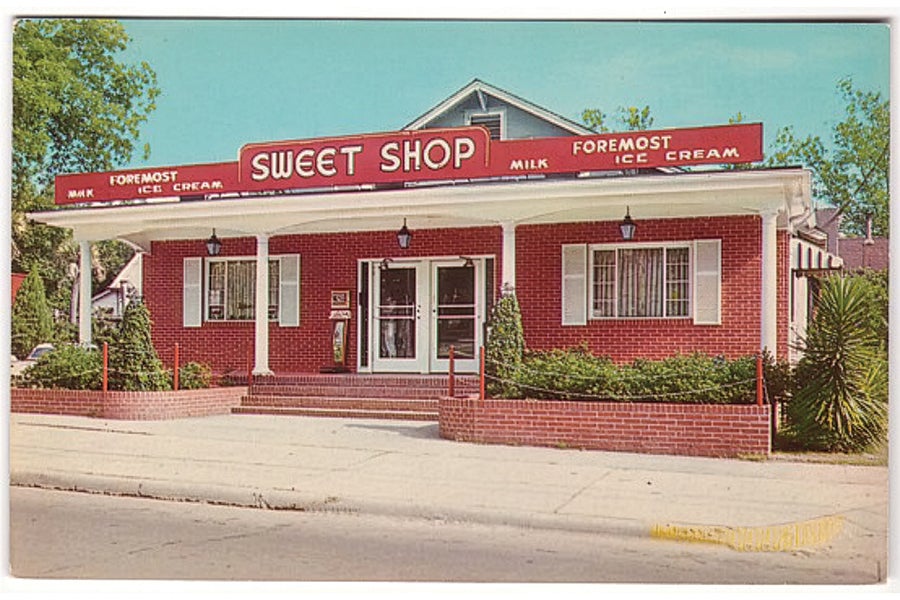
“We didn’t have an official physics teaching building when I first arrived, so our courses were taught in Diffenbaugh, which was a great hike across campus,” said Kemper, who was named a Lawton Distinguished Professor in 2002. “Between classes, us physicists would go across the street to the Sweet Shop to chat with faculty members in English, religion, and philosophy over coffee and learn about their research. It was a really pleasant time.”

Today, the college consists of 630 faculty members who are part of 16 academic departments, 14 centers and institutes, and two ROTC units, and the collaborations across disciplines that have shaped the unique culture of the college since its inception continue. Nearly 11,000 undergraduate and graduate students call Arts and Sciences their academic home, and the college’s faculty and researchers generate over $100 million per year in research expenditures while delivering more than 40 percent of FSU’s doctoral degrees.

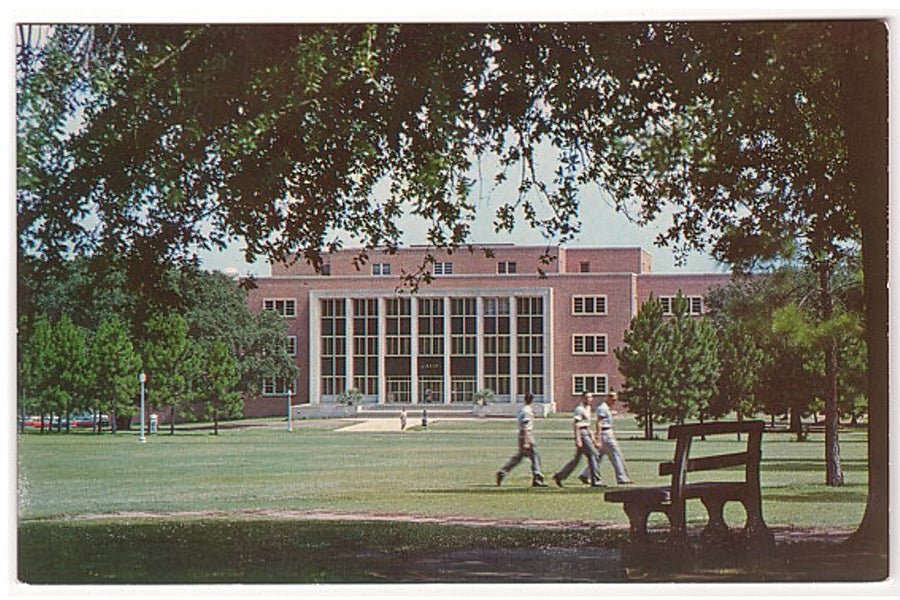
Students walking across Landis Green.
Students walking across Landis Green in front of Robert Strozier Manning Library, courtesy Postcard Collection, Florida Memory.
A view of the Sweet Shop.
A view of the Sweet Shop, courtesy Postcard Collection, Florida Memory.

Alumni Matters

With more than 200 different degree offerings and over 100,000 living alumni around the world, Arts and Sciences graduates go on to become Pulitzer Prize winners, National Academy of Sciences members, heads of state, university presidents, educators, entrepreneurs and more. Many of them even return to continue teaching and researching at their alma mater, like Maxine Montgomery, who earned her bachelor’s degree in English education in 1980 and her master’s in English in 1982.

After earning her doctorate in English with an emphasis on African American literature from the University of Illinois at Urbana-Champaign in 1986, Montgomery accepted a faculty position at the University of Nebraska. Motivated by a desire to develop the curriculum of African American literature in FSU’s Department of English, she returned as a faculty member in 1988.

“When I was hired, I had a lot of latitude in developing new and innovative courses that filled previous gaps in the curriculum. It’s been a wonderful experience, and it’s especially rewarding to be back at FSU,” said Montgomery, who was named a Lawton Distinguished Professor in 2022. “Because I did my undergraduate and master's work here, I was acutely aware of what FSU was like — I knew its strengths and weaknesses, especially in terms of the curriculum. I've addressed those issues in ways that I probably wouldn’t have been able to do had I not been immersed in this atmosphere before leaving and returning with a fresh perspective on this learning environment.”

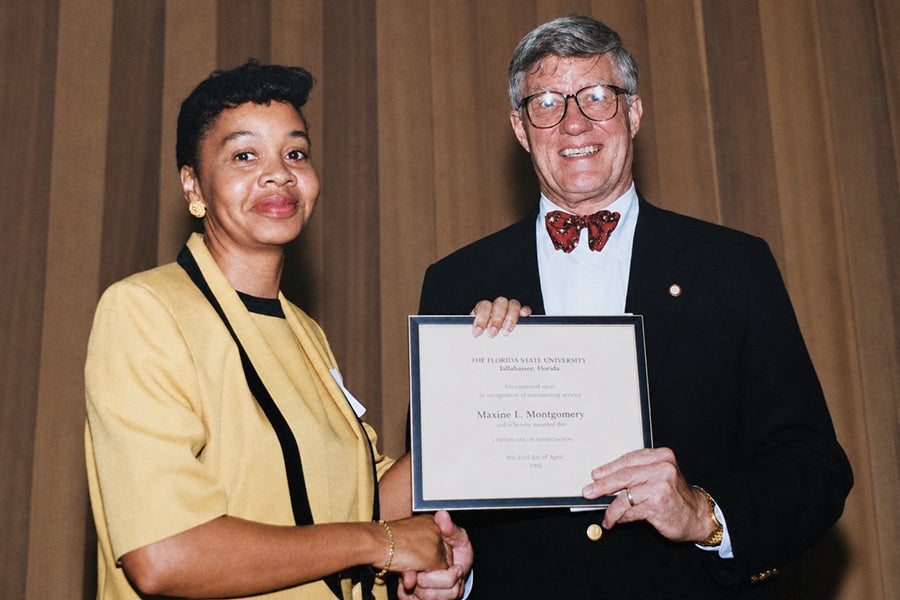
Maxine Montgomery and former FSU President Sandy D’Alemberte.
Maxine Montgomery and former FSU President Sandy D’Alemberte. Courtesy photo.

Another alumnus who’s returned to lead is Joel Trexler, who earned his master’s and doctorate in biology from FSU in 1983 and 1986, respectively. Since returning to FSU in 2020, Trexler has served as director of the FSU Coastal and Marine Laboratory in St. Teresa, originally established in 1949 as the Oceanographic Institute, which now serves as a base camp for marine field studies. FSUCML is also home to the Apalachicola Bay System Initiative, a project aiming to restore the health of the bay’s ecosystem and oyster reefs.

“It was such an exciting opportunity to come back to FSU,” Trexler said. “While my biology graduate work was done mostly in the Conradi Building, which is now a parking lot, the department at that time was a very exciting place. FSU’s ecology group had a tremendous impact on the field both in the U.S. and internationally, which I was thrilled to be part of.”

Trexler worked under influential faculty including Joseph Travis, a then-recently-hired biology professor who would eventually serve as college dean from 2005 to 2011.

“Joe was a fantastic mentor to me, and he’s been that throughout all of our career changes,” Trexler said. “Even though it might have been a little harder to get an email back when he was dean, he was always fully there for me and has remained a great mentor in navigating academia.”

At that time, another FSU legend worked in the department: Larry Abele, who eventually became department chair, college dean and provost. He served as biological science department chair for nine years, Arts and Sciences dean for three years and provost for 16 years. Since 1994, he's also directed the Institute for Academic Leadership, which provides training for department chairs throughout the State University System of Florida.

Additionally, one Arts and Sciences alumnus became president of FSU; Eric Barron, who earned his bachelor’s in geology as an honors student in 1973, served as FSU’s 14th president from 2010 to 2014. Before returning to his alma mater, he earned master’s and doctoral degrees in oceanography from the University of Miami and held various faculty and administrative positions in academia.

Enhancing the Lineup

Of the six Nobel laureates who have taught on FSU’s faculty, four, including Dirac, hail from Arts and Sciences disciplines. Robert Mulliken, a former Distinguished Research Professor of Chemical Physics, earned the Nobel Prize in Chemistry in 1966 for his work in calculating the structure of molecules just after leaving FSU.

John “Robert” Schrieffer, who earned the 1972 Nobel Prize in Physics alongside John Bardeen and Leon Cooper for developing the first successful quantum theory of superconductivity, joined FSU’s faculty in the early 1990s as a university eminent scholar and worked at FSU until his retirement in 2006.

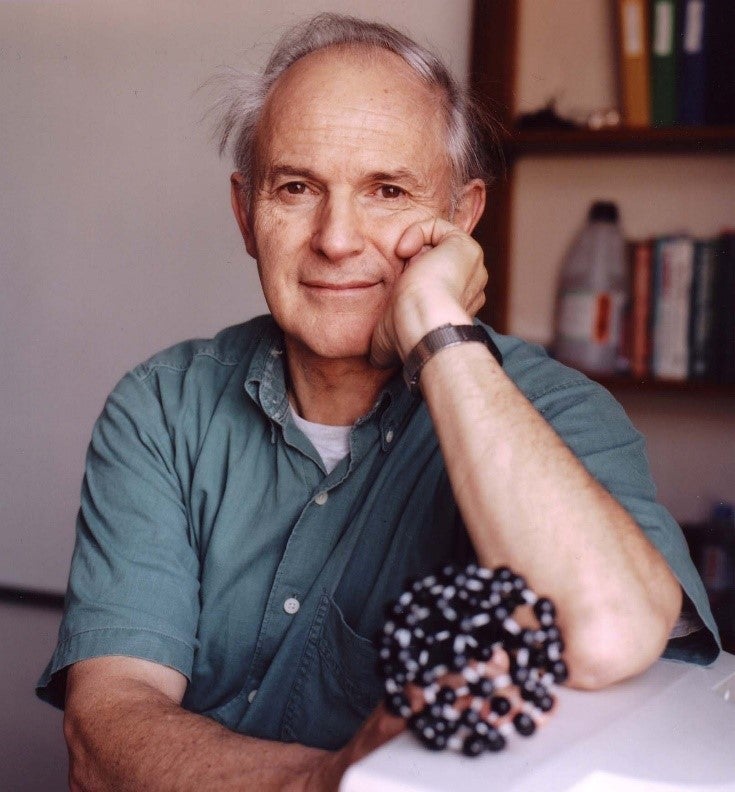
In 2004, Sir Harold Kroto joined FSU’s faculty as a professor of chemistry. In 1996, Kroto shared the Nobel Prize in Chemistry with Robert Curl and Richard Smalley for their discovery of fullerenes, a novel allotrope of carbon. 

“We work hard to expand our status as a Research One institution, so we spend a lot of time recruiting quality faculty members who contribute to all parts of our mission, including excellence in undergraduate education, graduate education and research,” said Huckaba, who joined FSU’s Department of Mathematics faculty in 1987.

After serving in departmental administrative roles and as an associate dean, Huckaba became interim dean in 2011 after Travis returned to the faculty of the Department of Biological Science. Huckaba was appointed dean of the College of Arts and Sciences in 2012 and has grown faculty numbers, created new interdisciplinary centers, established new fellowships and postdoctoral programs, and expanded degree programs in both undergraduate and graduate offerings. The latter has included the launch of neuroscience at the undergraduate level, as a companion to the doctoral program, and of the IDS program.

“Each dean I’ve worked with in my more than three decades at FSU has been visionary in responding to larger changes that are taking place globally and politically and being open to the implications of those changes in terms of charting new directions,” Montgomery said.

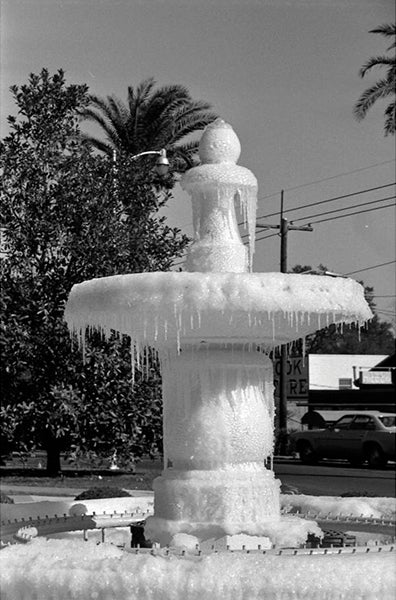
The Westcott Fountain frozen over in 1985. Photo by Deborah Thomas, courtesy Florida Memory.
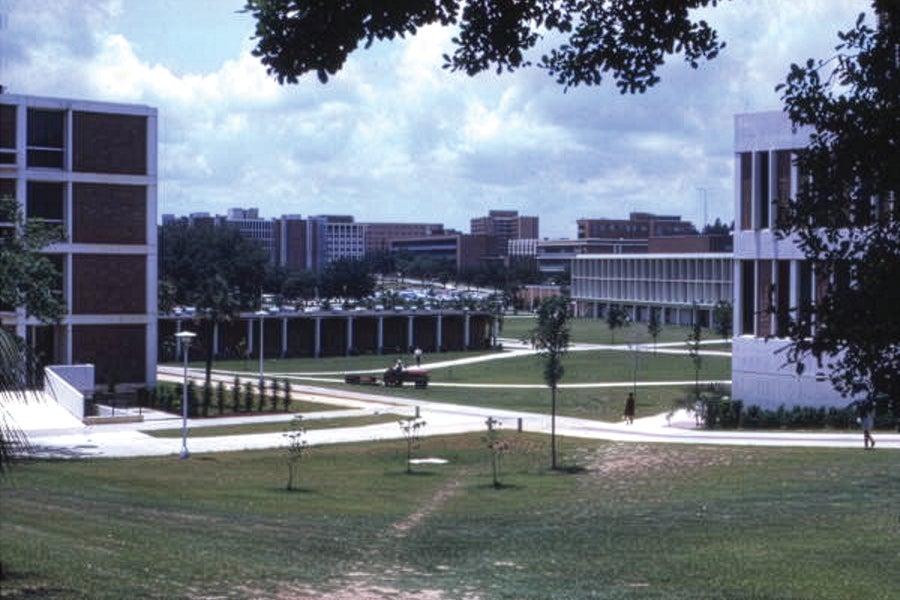
A view of the STEM buildings on FSU’s campus circa the late 1960s. Courtesy Florida Memory.
The Westcott Fountain frozen over in 1985. Photo by Deborah Thomas, courtesy Florida Memory. A view of the STEM buildings on FSU’s campus circa the late 1960s. Courtesy Florida Memory.

Inspired Initiatives

Some of these new directions have come, in part, from the state: In 2002, the Florida Legislature and Governor’s Office established the Florida Center for Reading Research at FSU, a world-class interdisciplinary research organization supported by FSU psychologists and reading experts that combines research and outreach to improve learning outcomes for people of all ages, all around the world.

FCRR’s establishment was also thanks to a major gift from a donor whose family member had dyslexia. In collaboration with the state government, the center opened its doors and has been at the forefront of reading research for nearly three decades.

“Our work encompasses more than studying phenomena; we create outcomes that improve learning conditions for everyone,” said FCRR associate director Rick Wagner, also a Robert O. Lawton Distinguished Professor of Psychology and one of the center’s founding members who joined FSU’s faculty shortly after earning his Ph.D. in 1985. “If you open any major reading series today that's used out in the schools, it features training in phonological awareness, which helps prevent the development of reading problems. This is something that we helped develop. I'm really proud of the fact that that's something that came from FSU and from the College of Arts and Sciences.”

Transformational Giving

Giving to the College of Arts and Sciences enables groundbreaking research, as evidenced by FCRR’s success. It also gives donors the power to help shape an academic unit that they care about, especially through endowments. The Sumners Endowed Chair of Mathematics, for example, supports faculty through funding research, helping with laboratory or other expenses, and provides the faculty with ample time to dedicate to their research. The Sumners Professorship is named after Emeritus Professor of Mathematics De Witt Sumners, who pioneered applications of knot theory to biology.

“An endowed chair is something that can change the face of a department, and it’s a great way for someone to ensure they can continually help the program of their choice,” said Nancy Smilowitz, the college’s assistant dean of development and alumni affairs. “It ensures the long-term health of a program because this position doesn’t just involve research; faculty in endowed positions interact with other faculty as well as undergrad and graduate students, shaping the trajectory of the department.”

In addition to establishing programs or supporting them through endowments, gifts that enhance the mission of the College of Arts and Sciences include named funds, gifts of estate, legacy gifts that last in perpetuity and honor a donor’s time here, or even one-time gifts — all of which support student and faculty success through scholarships, fellowships, lectureships, library acquisitions, research opportunities and more.

Wide-ranging Research

The college’s research supports initiatives on the local, university, and national levels, from mapping the waterways that feed directly into Tallahassee’s drinking water and Florida’s largest aquifer to determining how human vocabulary is affected by chatbot usage to helping shape the nation’s largest and most pressing scientific initiatives. Much of this work combines expertise from different fields.

“The college has been very intentional in pursuing cross-disciplinary programming in ways that point to collaboration among programs within the college and all across campus,” Montgomery said. “It’s been at the forefront of bridging the gulf between the sciences and the humanities in a productive, dynamic way.”

Many of the college’s programs, both undergraduate and graduate, offer degrees that allow students to incorporate different disciplines in their coursework. The Interdisciplinary Data Science Master’s Degree Program, launched in 2021, combines expertise from the Departments of Philosophy, Computer Science, Statistics, Modern Languages and Linguistics, Mathematics, and Scientific Computing.

The Program in Neuroscience, which made FSU the first public Florida university to award a bachelor’s degree in neuroscience in 2018, includes participation from the Department of Biological Science and Department of Psychology, both in the College of Arts and Sciences, and FSU’s College of Medicine.

Planning for an artificial intelligence-forward future, the Dean Sam Huckaba has assembled an interdisciplinary AI Task Force to guide departments on the ethical and effective use of AI, preparing students for careers across industries and supporting faculty as they explore meaningful ways to incorporate AI into their curricula. In the coming year, the college plans to introduce an AI familiarity course across its portfolio of disciplines.

“Our researchers push the boundaries of human knowledge,” Huckaba said. “It’s a unique component of humanity that we’re able to do that. The College of Arts and Sciences supports the core of the foundational, or basic, research taking place at the university, which is critical for the research enterprise of the nation and the world. As FSU continues to grow, and as higher education continues to change, Arts and Sciences disciplines still serve as the anchor for the university.”

In 2002, FSU’s Department of Computer Science became the first department in the state to receive the Center of Academic Excellence in Information Assurance Education designation from the National Security Agency and the Department of Homeland Security, first established in part to reduce vulnerability in the national information infrastructure by promoting higher education and research in information assurance and cyber defense.

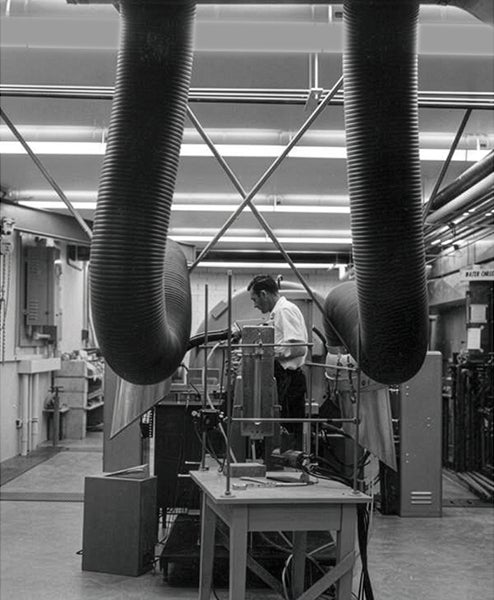
An FSU scientist working in the linear accelerator laboratory in the early 1970s. Courtesy FSU Libraries.
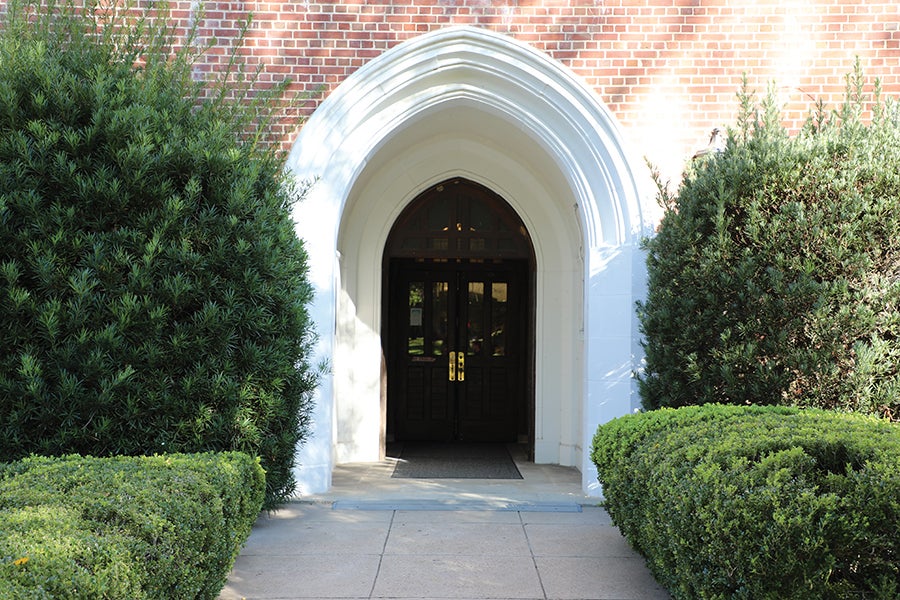
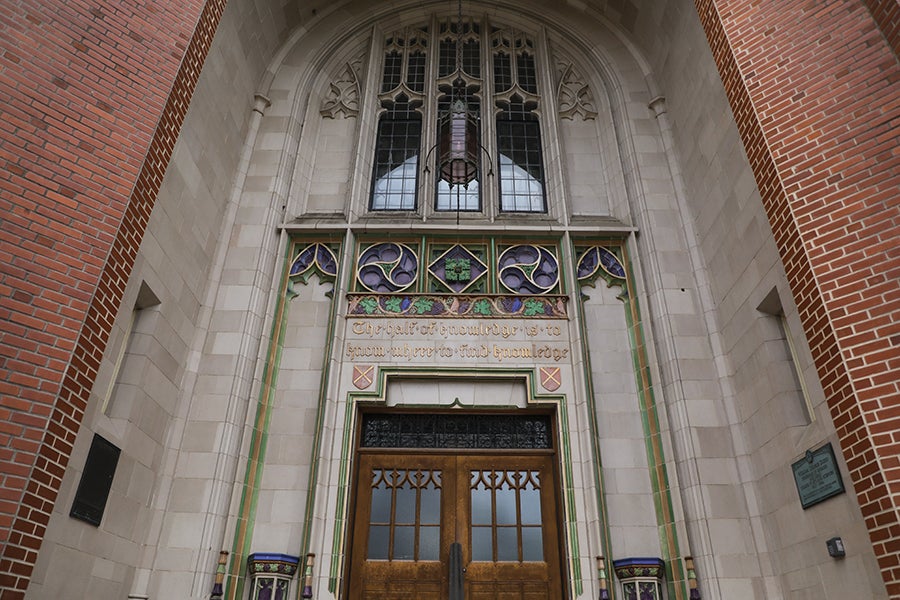
The Longmire Alumni Building arch. Photo by Devin Bittner.
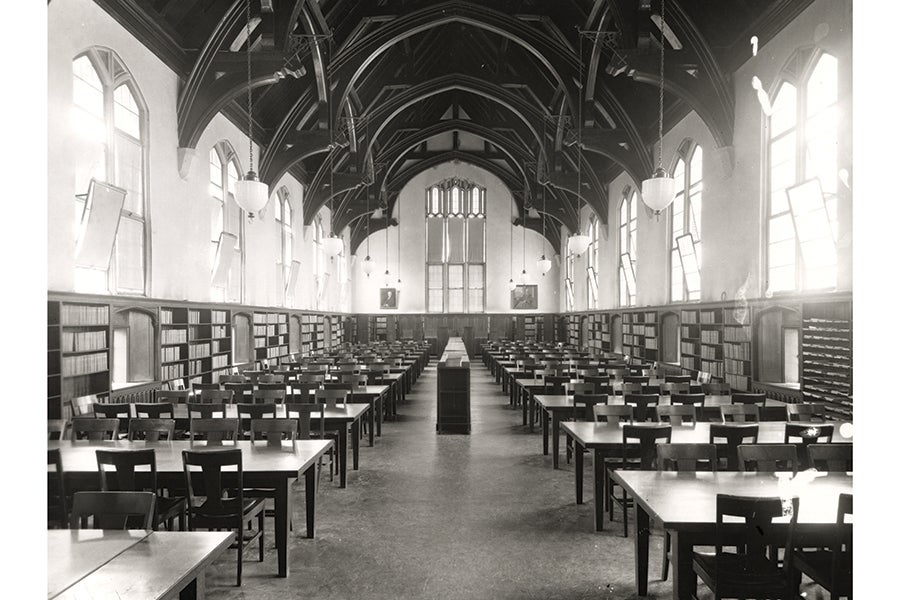
A look inside Dodd Hall. Courtesy FSU Libraries Special Collections and Archives.
An FSU scientist working in the linear accelerator laboratory in the early 1970s. Courtesy FSU Libraries. The Longmire Alumni Building arch. Photo by Devin Bittner. A look inside Dodd Hall. Courtesy FSU Libraries Special Collections and Archives.

Remarkable Resources

The Department of Physics also uses several state-of-the-art experimental facilities, including the Fox Lab and the National Science Foundation-funded, FSU-headquartered National High Magnetic Field Laboratory. The Fox Lab, which made Florida a key player in nuclear physics upon its establishment, is run by the experimental nuclear physics group that explores complex questions at the intersection of nuclear physics and astrophysics. The National MagLab, based in Tallahassee, is the world’s largest magnetic field laboratory, drawing scientists including FSU scholars and those from all over the world to conduct research here.

“Our department and the Fox Lab have been so lucky in being supported on so many levels throughout the years,” Kemper said. “It’s been gratifying to see us keep moving; we’re in our sixth generation of faculty in condensed-matter physics, and we’re still bringing in great scientists.”

Even FSU’s Research Computing Center, an academic service unit of Information Technology Services available for use by scholars in all disciplines, has its roots in Arts and Sciences. In 2007, the High-Performance Computing Cluster was commissioned as a multidisciplinary, shared resource for FSU researchers, and it was managed by the Department of Scientific Computing as one of the nation’s first academic supercomputing ventures. The unit later became part of Information Technology Services in 2013, and the name was changed to the Research Computing Center. Now, RCC supports groundbreaking research across FSU by maintaining a campus cyberinfrastructure and providing training opportunities and consultation services.

Hands-on Humanities

Standing in complement to the college’s excellence in technology and natural sciences is its generational prestige in the humanities. FSU’s Department of Classics is the oldest classical studies department in Florida and among the largest classical studies programs in the U.S. public university system, offering coursework covering traditional emphases on Latin and Greek languages and literature, ancient history, and for students interested in archaeology and material culture, a wide range of hands-on field experiences.

FSU students and researchers have excavated at Cetamura del Chianti, an archaeological site in the Italian mountains of Tuscany, through FSU International Programs since 1973, uncovering the history of Etruscans, Romans, and Italians of the Middle Ages through the discovery of artifacts like waterlogged grape seeds that have preserved their DNA and everyday items like coins, dishes and more.

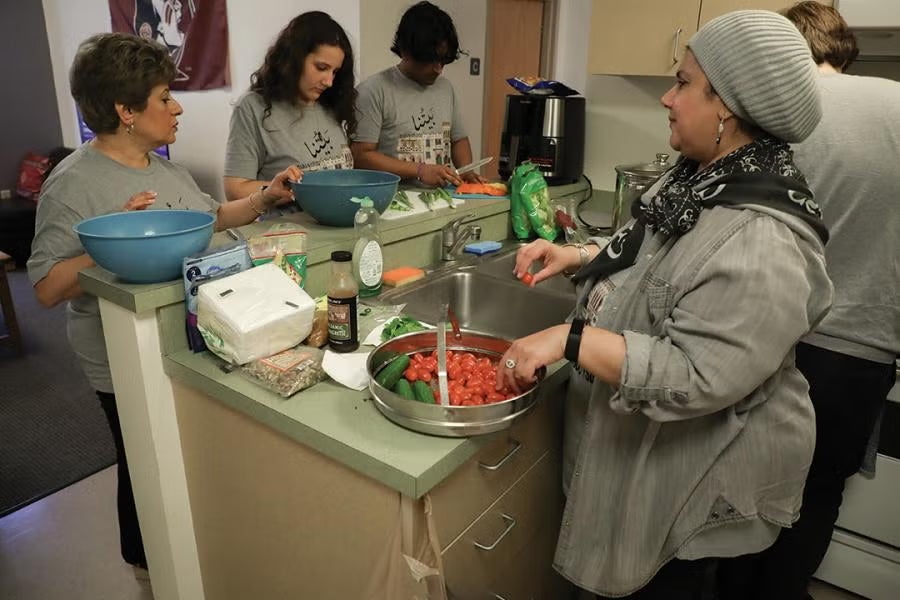
Back on campus in Tallahassee, students in the Department of Modern Languages and Linguistics can be immersed in the language of their study — Japanese, Arabic or Italian — through live-in foreign language houses that support language learning through cultural immersion.

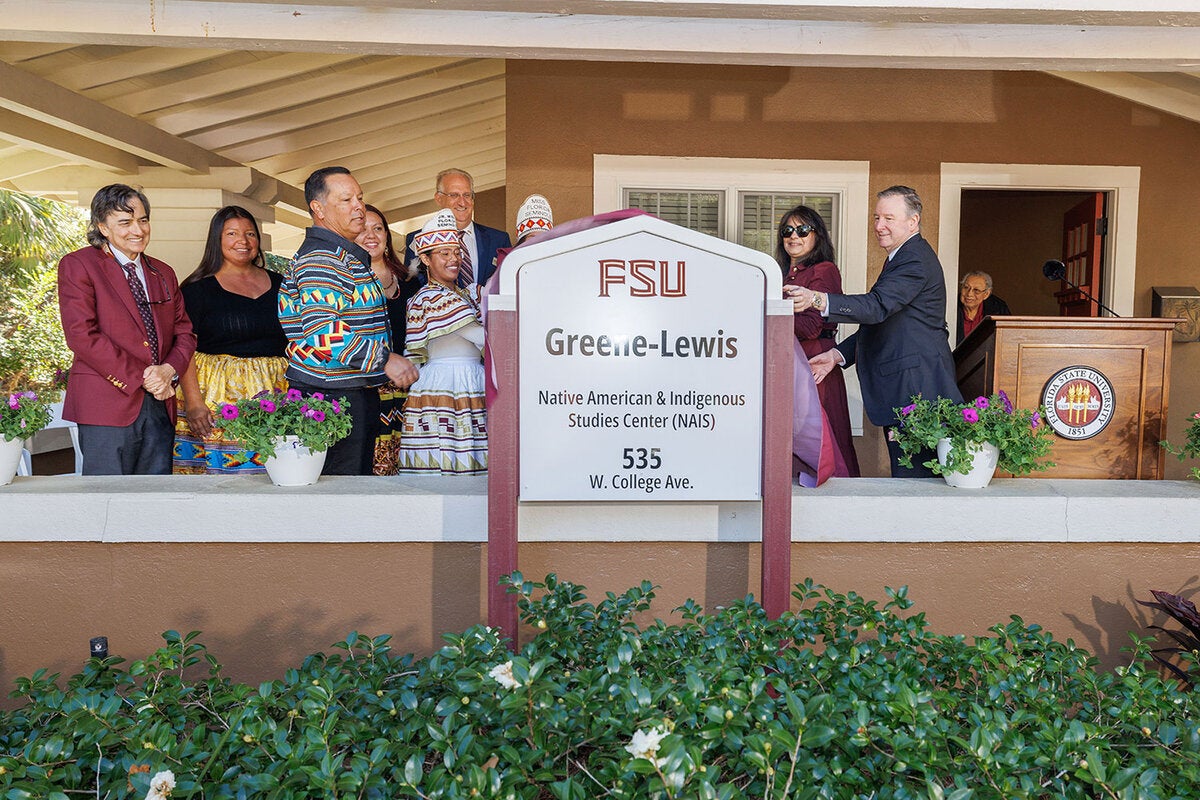
In 2023, the Native American and Indigenous Studies Center was established in partnership with the Seminole Tribe of Florida to promote educational initiatives and collaborative scholarship while serving as the intellectual and cultural home of the university’s outreach with Native American tribes in the South. NAIS faculty hail from departments across the university including the Arts and Sciences disciplines of anthropology, history, modern languages and linguistics, and religion, under the leadership of Andrew Frank, the Allen Morris Professor of History, as NAIS director.  

In addition to language houses, other Arts and Sciences living-learning communities — specialized university housing programs that allow students with similar academic interests to live in the same residence hall — include WIMSE, or Women in Math, Science, and Engineering. WIMSE is an academic LLC committed to the academic and career development of women in these fields to grow the STEM workforce. Through hands-on research experiences and lab opportunities, undergraduates can explore complex research topics early in their academic careers and participate in professional development workshops and classes.

The newest LLC is scheduled to open this fall and will provide a home for students who plan to pursue commissioning in the U.S. military through the FSU Army or Air Force ROTC programs or the FAMU-FSU Navy ROTC program to get a head start on preparing for leadership roles.

Dodd Hall
Architecture of Dodd Hall. Photo by Devin Bittner.

Sustaining Success

“Whether in the sciences or the humanities, the college has been so supportive of our work from day one,” Wagner said. “We have a very collegial environment, and it’s in part because everyone here takes pride in others’ successes as much as their own. In our department, we don’t see each other as competition even though we have faculty who are stars in every area of psychology. We work together to highlight each other’s successes.”

The college’s dedication to advancements in research and education has remained a leading priority throughout its nearly two centuries of history, and every new idea from a student, faculty member, staffer, and postdoctoral researcher contributes to the lasting effect that FSU’s work has on society.

“What people don't know about the college is just how much is happening all the time and how critical it is for the mission of the university,” Huckaba said. “It’s hard to illustrate the breadth of research conducted without getting locked into one example. From pushing the field of medicine forward with new therapies to helping us understand the ethics underlying artificial intelligence usage, the work being done in this college not only provides students with an excellent education — it changes the world.”

before
after

FSU 175 Timeline


1851

On Jan. 24, the Legislature of the State of Florida provides for the establishment of two institutions of learning. The West Florida Seminary, founded in 1851, sat on the hill where the Westcott Building now stands, which has been the site of a higher education institution longer than any other site in Florida.


1857
The West Florida Seminary.
The West Florida Seminary. Courtesy FSU Libraries Special Collections and Archives.

The West Florida Seminary begins operating just 12 years after Florida achieves statehood.


1905

The Buckman Act transforms Florida State College into Florida Female College. Starting with a student body of 204, the institution emerges as a leading center for women’s higher education in the South.


1908

The College of Arts and Sciences, as the Florida Female College, awards Florida State University’s first recorded master's degree in 1908.


1909
Florida State College for Women admin building.
Florida State College for Women administrative building. Courtesy Florida Memory.

Florida Female College is renamed to Florida State College for Women, and the College of Arts and Sciences awards FSCW's first master's degree in 1909.


1910
William Dodd
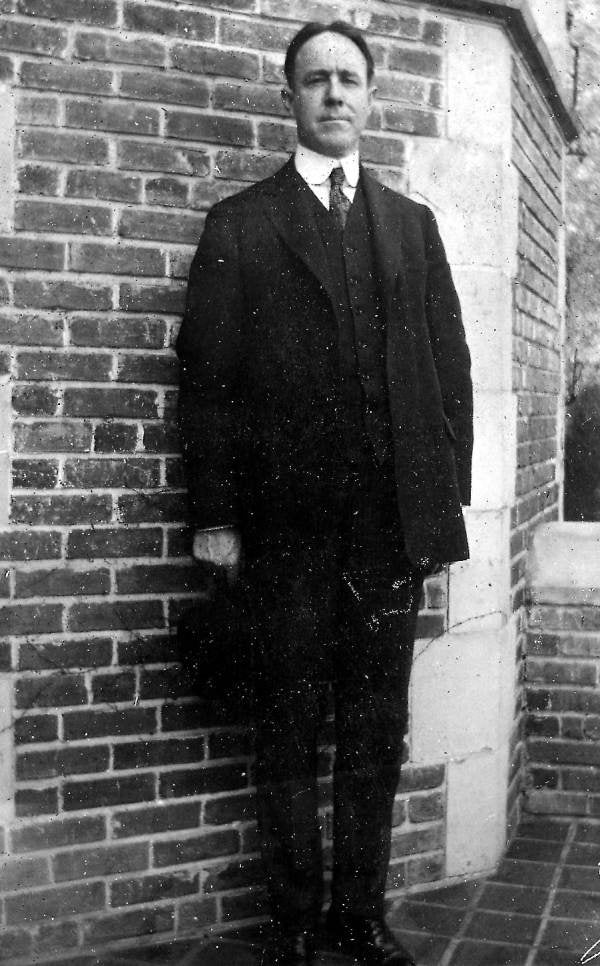
William Dodd. Courtesy Florida Memory.

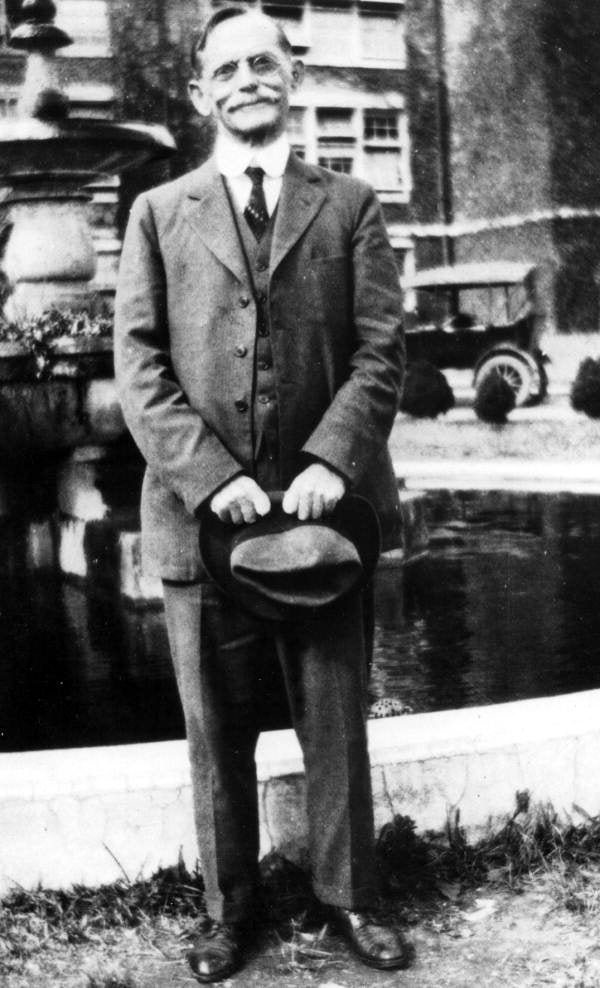
William George Dodd joins FSCW faculty in the Department of English, later becoming department head before going on to serve as the dean of arts and sciences from 1913 until his retirement in 1944.


1912
Florida State College for Women seal
Original Florida State College for Women seal. Courtesy FSU Voices.

The College of Arts and Sciences’ motto and Florida State University seal are created by Agnes Granberry, an art student and member of the Class of 1912. The original design for FSCW’s motto and seal is three torches side by side with the Latin words “Vires, Artes, Mores” — or “Strength, Skill, and Character” — printed on a ribbon entwined through them. The triple purpose of the college is to prepare its students physically, mentally and morally to produce “Femina Perfecta,” the completed woman.


1918
Photo from Bellamy building dedication.
Photo from the Bellamy building dedication. Courtesy FSU College of Social Sciences and Public Policy.

Raymond Bellamy joins FSCW’s faculty to teach a variety of courses in sociology, economics, history and political science. A few years later, he offers the first year-long course in anthropology.


1920
Arthur Williams
Arthur Williams. Courtesy Florida Memory.

Arthur Williams joins FSCW’s faculty to teach history and political science. He goes on to serve as FSCW’s only vice-president until his death in 1932. 


1941
The Diffenbaughs
The Diffenbaughs. Courtesy Florida Memory.

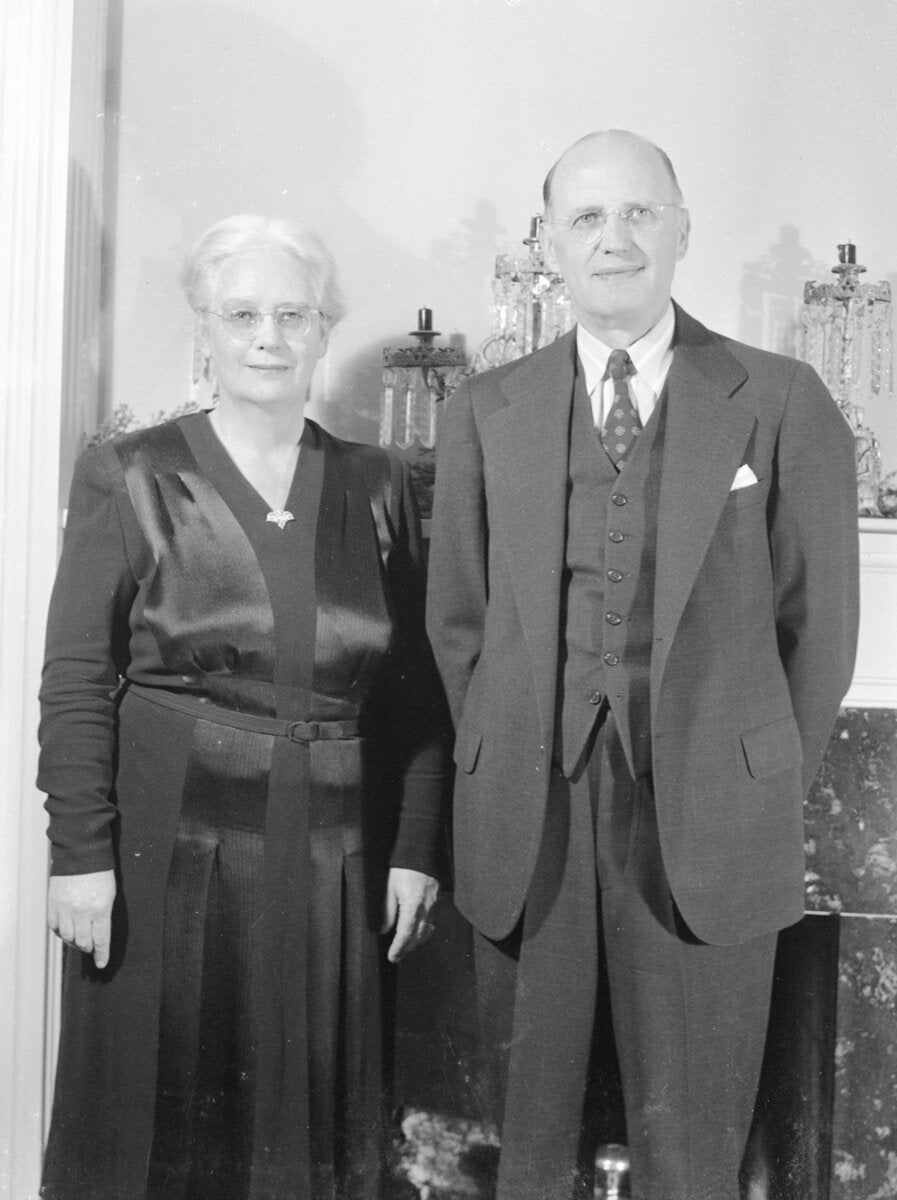
Guy Linton Diffenbaugh joins FSCW’s faculty in the Department of English. In 1944, he was named assistant dean of arts and sciences, following Dodd’s retirement. He played a key role in the 1947 transition to FSU. 


1947
Postcard of Westcott Fountain
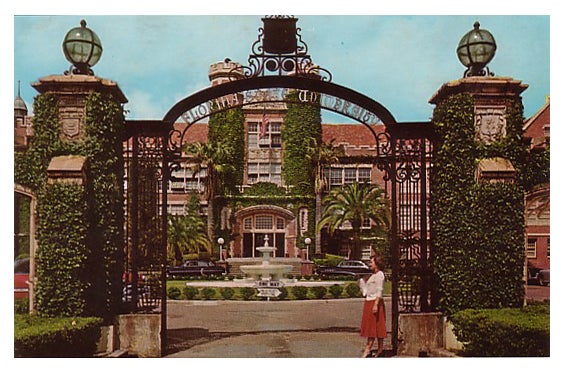
Postcard of Westcott Fountain. Courtesy Florida Memory.

FSCW officially becomes Florida State University on May 15 when Gov. Millard Caldwell signs a legislative act that returns the Florida State College for Women to coeducational status, putting an end to the first and only state-supported women's college in Florida. This officially changes the institution’s name to Florida State University, and the College of Arts and Sciences begins to take its modern form. 


1949

College of Arts and Sciences Dean Edwin Walker leads a massive campaign to balance FSU’s strength in sciences to its existing strengths in liberal arts. By 1950, he hires more than 200 faculty members across sciences, arts and humanities.


1949
News announcement of Lawton's promotion to dean.
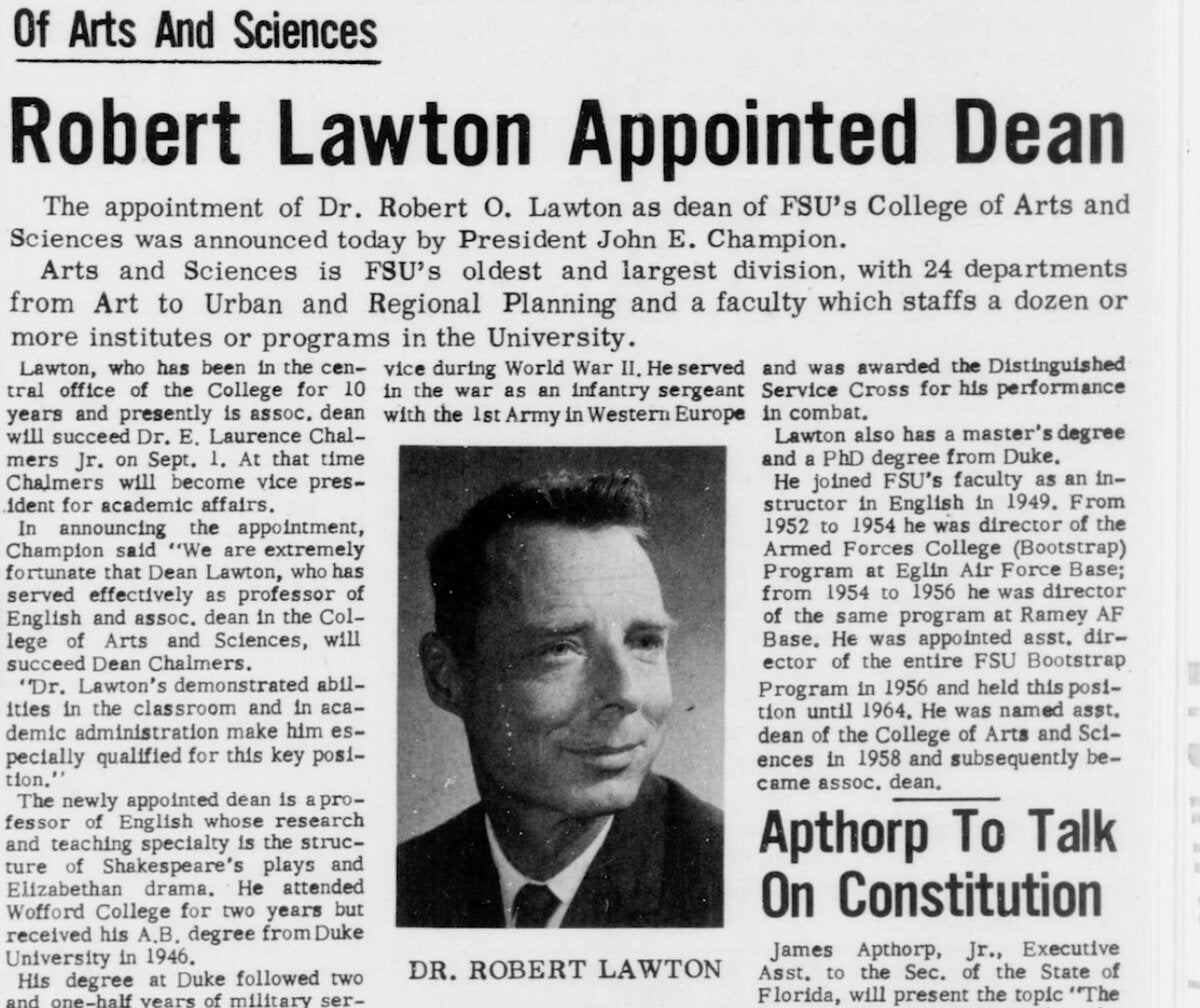
News announcement of Lawton's promotion to dean. Courtesy FSU Libraries Special Collections and Archives.

Robert O. Lawton joins FSU’s Department of English faculty. He serves in various roles before being promoted to dean of the College of Arts and Sciences in 1966. He returned to the Department of English in 1972 and in 1977 became vice president for academic affairs and provost under then-president Bernard Sliger. 


1949

Air Force Reserve Officer Training Corps Detachment 145 is activated, becoming the first ROTC unit on FSU’s campus.


1949
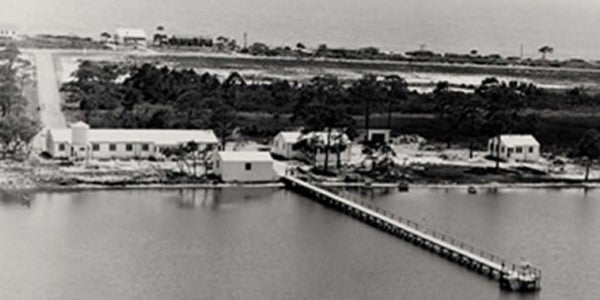
Oceanographic Institute
The Oceanographic Institute. Courtesy FSU Coastal and Marine Laboratory.

The Oceanographic Institute, which will eventually become the FSU Coastal and Marine Laboratory, is established under the College of Arts and Sciences to train graduate students in marine science and provide marine research facilities for visiting and local researchers.


1951

While military education classes were offered throughout FSU’s history before it was known as FSU, the modern Army ROTC program, the Seminole Battalion, is founded in 1951.


1952

The first Florida State University doctoral degree is awarded in chemistry.


1958
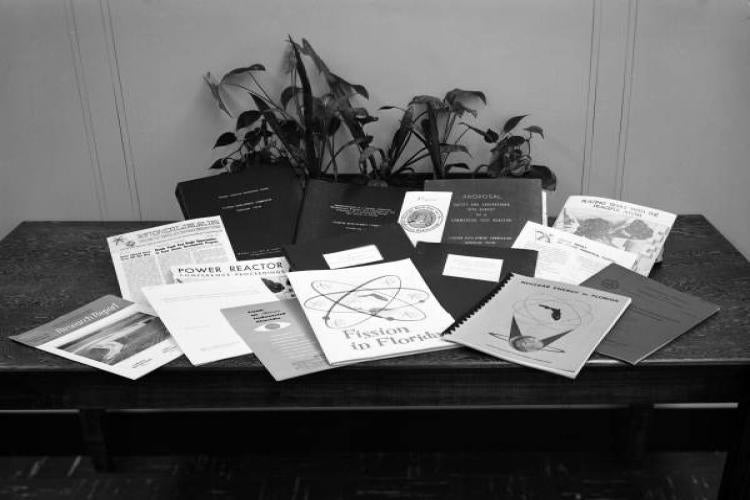
Nuclear physics program materials on a table
Nuclear physics program materials. Courtesy Florida Memory.

The nuclear physics program at FSU is established as a collaboration among the university, state, and federal government to make Florida a key player in nuclear science research.


1972
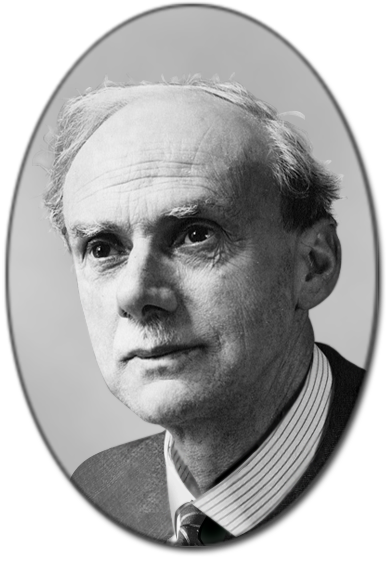
Paul Dirac
Paul Dirac. Courtesy National High Magnetic Field Laboratory.

Renowned physicist Paul Dirac, widely regarded as the father of quantum mechanics, joins the faculty in 1972 and helps establish a strong foundation for theoretical physics at FSU. Today, the university continues to build on that legacy through significant investments in quantum science, research, and education.


1975

FSU streamlines the college, which at the time comprised 75 percent of FSU, from 25 academic departments to 18. This leads to the formation of six new colleges.


1981

The Distinguished Professor Award is renamed in honor of the late Vice President for Academic Affairs Robert O. Lawton.


1989
Robert Holton
Robert Holton. Courtesy FSU Department of Chemistry and Biochemistry.

Department of Chemistry faculty Robert Holton and his team develop a groundbreaking semi-synthetic process to produce Taxol, one of the most effective treatments for some of the world’s deadliest cancers. This enables large-scale production of the drug and leads to its commercialization, putting FSU on the map for novel drug discovery.


1990
National High Magnetic Field Laboratory
National High Magnetic Field Laboratory. Photo by Stephen Bilenky.

The National High Magnetic Field Laboratory, funded by the National Science Foundation and the State of Florida, is awarded to FSU through a peer-reviewed competition. Construction begins in late 1990 and finishes in late 1993, and the lab is dedicated in 1994.


2001
WIMSE Living-Learning Community at FSU Alumni Center
The WIMSE Living-Learning Community at the FSU Alumni Center. Courtesy FSU Women in Math, Science, and Engineering.

WIMSE — the Women in Math, Science, and Engineering Living-Learning Community — is established by Robert O. Lawton Distinguished Professor of Oceanography Nancy Marcus, becoming only the second LLC at FSU.


2004
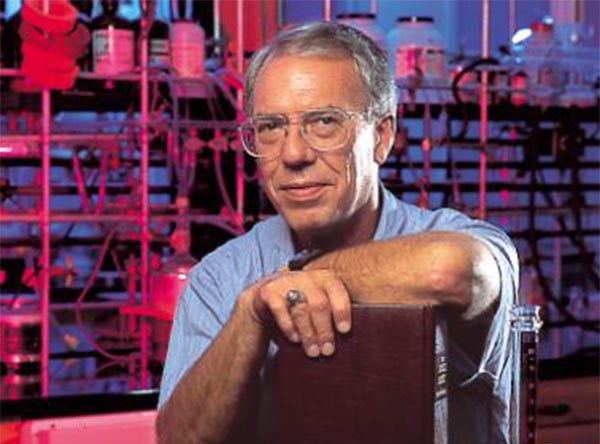
Sir Harold Kroto
Sir Harold Kroto. Courtesy FSU Department of Chemistry and Biochemistry.

Sir Harold Kroto, who earned the 1996 Nobel Prize in Chemistry, comes to FSU after spending a large part of his career at the University of Sussex in England.


2004

FSU’s Middle East Center, an interdisciplinary center dedicated to the scholarly and dispassionate study of the Middle East, is founded. 


2010

FSU merges the Departments of Geology, Oceanography, and Meteorology into the Department of Earth, Ocean, and Atmospheric Sciences to emphasize interdisciplinary collaborations among the Earth-science disciplines.


2017

FSU becomes the first Florida public university to offer a bachelor’s degree in neuroscience through the Program in Neuroscience, an interdisciplinary program supported by the College of Arts and Sciences and the College of Medicine.


2019

The Department of Scientific Computing launches the Machine Learning Expo, which serves as the foundation for the present-day learning event centered on artificial intelligence and machine learning, or AIMLX, presented since 2021 by the Interdisciplinary Data Science Master’s Degree Program.


2020
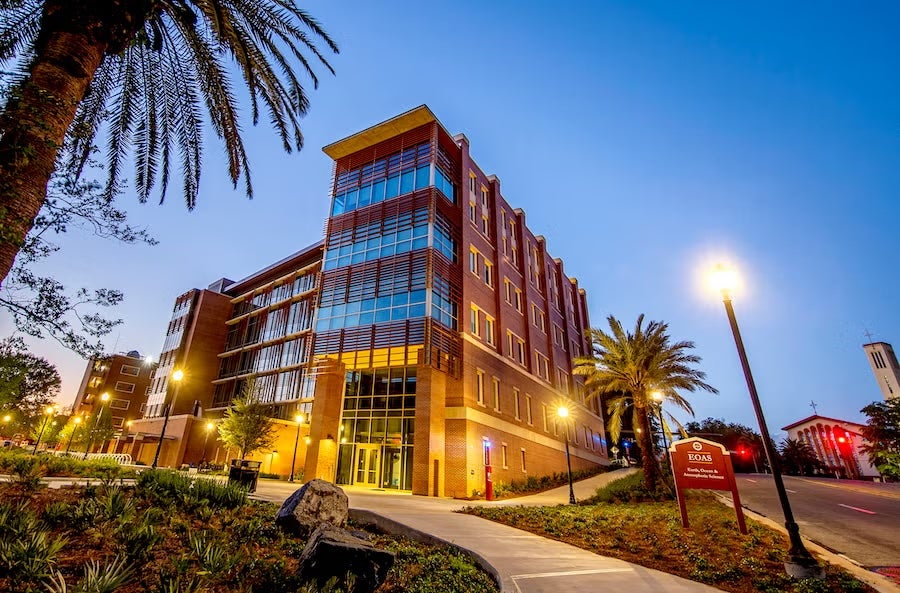
EOAS building
EOAS building. Photo by Mark Wallheiser.

The new Department of Earth, Ocean, and Atmospheric Science building is opened featuring laboratories, collaborative spaces, and a broadcast meteorology studio. 


2021

College of Arts and Sciences launches a new interdisciplinary graduate program in data science with participation from Departments of Mathematics, Statistics, Philosophy, Scientific Computing and Computer Science, called the Interdisciplinary Data Science Master’s Degree Program.


2023
Native American and Indigenous Studies Center
The Native American and Indigenous Studies Center dedication in 2024. Photo by Bill Lax/FSU Photography.

FSU launches the Native American and Indigenous Studies Center in partnership with the Seminole Tribe of Florida. NAIS provides a physical and conceptual hub for community members who are committed to Native American and Indigenous research and artistic practice. NAIS promotes and coordinates consultations with tribal nations and community leaders, educational efforts inside and outside of the classroom, translational research with Indigenous and Native American communities, and broad collaborative scholarship. 


2023
Faculty and students in the Arabic Language House.
Faculty and students gather in the Arabic Language House. Photo by Devin Bittner/FSU College of Arts and Sciences.

The Department of Modern Languages and Linguistics launches the Arabic Language House, a living-learning community that immerses students in the language and culture they’re studying. Additional language houses are added in 2024 and 2025 to allow similar immersive experience for students studying Japanese and Italian.


2026
FSU 175 graphic
Courtesy FSU News.

FSU and the College of Arts and Sciences celebrate the 175th anniversary of FSU.