
FSU neuroscientist earns national award for research on taste and eating behavior
A Florida State University neuroscientist has earned a national award for research on gustation, the scientific term for the sense of taste, and how it shapes eating behavior.
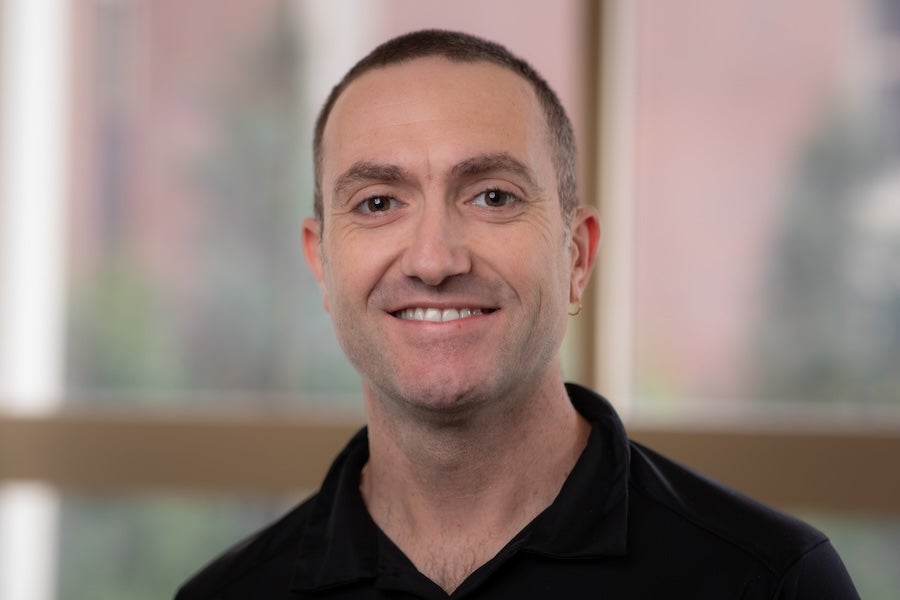
Associate Professor of Biological Science and Neuroscience Roberto Vincis has earned the 2026 Ajinomoto Award for Young Investigators in Gustation from the Association for Chemoreception Sciences, or AChemS, in recognition of his research into sensory systems with the aim to understand gustation’s influence on eating behavior.
His work focuses on how taste influences what we eat, and it informs a wide range of topics, from how and why people develop eating disorders to why they may overconsume ultra-processed foods.
“Learning how the brain integrates information from what we consume and experience really gets at the fundamental components of why some foods are good for us and others aren’t,” Vincis said. “Winning this award validates that my lab’s research is relevant and impactful because our peers recognize it as such.”
Since 1998, the Ajinomoto Award has been conferred annually to an outstanding junior scientist and emerging leader in gustation. Its awarding body, AChemS, is the preeminent organization dedicated to the advancement of chemoreception science, which includes smell and taste. Vincis is the first from FSU to earn this honor, which is supported by the Ajinomoto Group, a multi-billion-dollar food and biotechnology corporation credited with developing the first umami-flavored seasoning in 1909.
Vincis was presented with the honor Wednesday during the annual AChemS conference in St. Petersburg, Florida. As an awardee, he will also deliver a lecture at the conference that broadly covers the Vincis Laboratory’s investigation of the neurological mechanisms behind the role of taste in eating behavior and preferences.
“Dr. Vincis’ research investigates the neural circuits and computational processes of brain regions that regulate food intake and shape dietary preferences, which are key factors in understanding eating disorders,” said Lisa Eckel, director of FSU’s Program in Neuroscience. “The chemical senses have long been a hallmark of excellence within the program, and this recognition further elevates the stature of this distinguished community of scientists.”
Humans’ perception of taste generally falls into five categories — sweet, sour, salty, bitter and umami — each triggered by specific chemicals. For example, ingesting alkaloid molecules like the caffeine in coffee and dark chocolate will leave a bitter taste in your mouth. Chewing adds a layer of sensation, as the action releases gaseous chemicals, which then hit the nose. Somatosensory components like temperature and texture also factor into what and how much someone consumes.
“All of these sensory modalities give rise to the percept we call flavor, and our daily consumption is highly dependent on this initial sensation,” said Vincis, who, in addition to traditional research methods, employs machine learning techniques to analyze neural activity from different brain regions. “Neurons don’t speak in English, so by decoding neurons’ specific language as they receive sensory information, we can understand how certain eating behaviors develop.”
Theoretically, people eat when they are hungry, stop when they feel full and only select nutritious foods and beverages. Examining the reality of humans’ experiences reveals a different picture that includes the impact of ultra-processed foods and wide-ranging public health concerns such as obesity and eating disorders. Vincis’ work strives to explain this gap in biological theory and real-world occurrences.
“We use the term ‘maladaptive’ to describe nutrition-related behaviors that will cause long-term problems,” Vincis said. “For example, ultra-processed foods can lead to overeating because they are packaged with very rewarding olfactory and sensory cues. When we taste these foods, we feel good, but they are devoid of nutrients. This is how sensory information from your oral cavity can hijack your brain, similar to the way a drug hijacks neural reward pathways for dopamine to drive addiction.”
Ultra-processed foods like soft drinks and many packaged snack options are industrially manufactured and include a high number of ingredients not found in a common household kitchen. According to the U.S. Food and Drug Administration, approximately 70 percent of packaged products in the nation’s food supply could be considered ultra-processed, and children get more than 60 percent of their calories from such foods. Due to their addictiveness, caloric density and lack of nutrients, the prevalence of ultra-processed foods is known by nutrition scientists, epidemiologists and major health organizations such as FDA to be a significant contributor to rising rates of obesity, heart disease and cancer, among others.
“The National Institutes of Health and Food and Drug Administration consider research on nutrition-related behavior to be a public priority at this stage,” Vincis said. “Earning the Ajinomoto Award means we are on the right track and is likely to help us secure future funding and fellowships so that we may continue our work.”
Florida State University has been a prime contributor to chemosensory research for more than 50 years and has served as a home base for generations of the field’s leaders including the late James C. Smith — a chemosensory research legend, FSU Robert O. Lawton Professor and alumnus of the FSU Department of Psychology — who was among the cofounders of AChemS in 1978.
To learn more about Vincis’ research and its scientific impact, visit the Vincis Laboratory website. Visit the FSU Program in Neuroscience website to learn more about this interdisciplinary program.