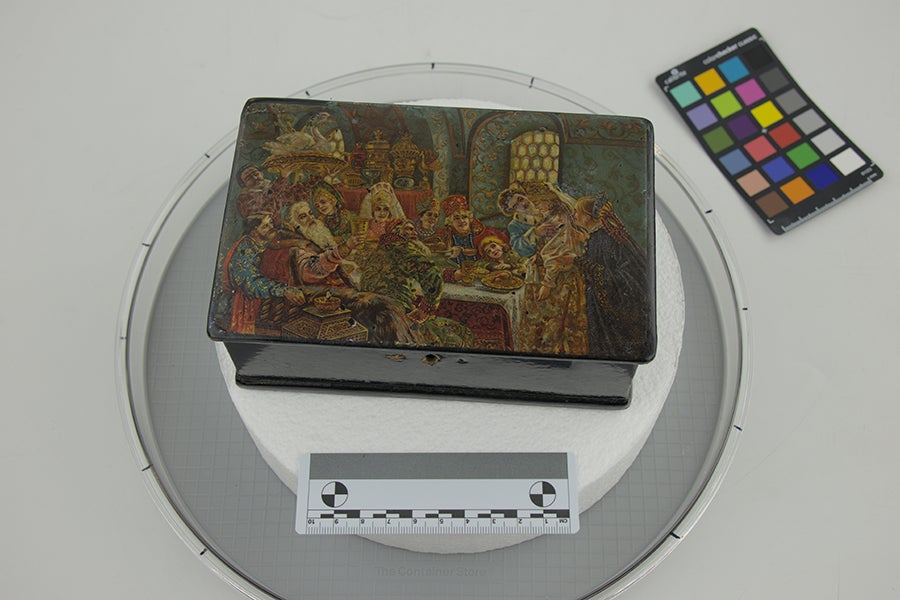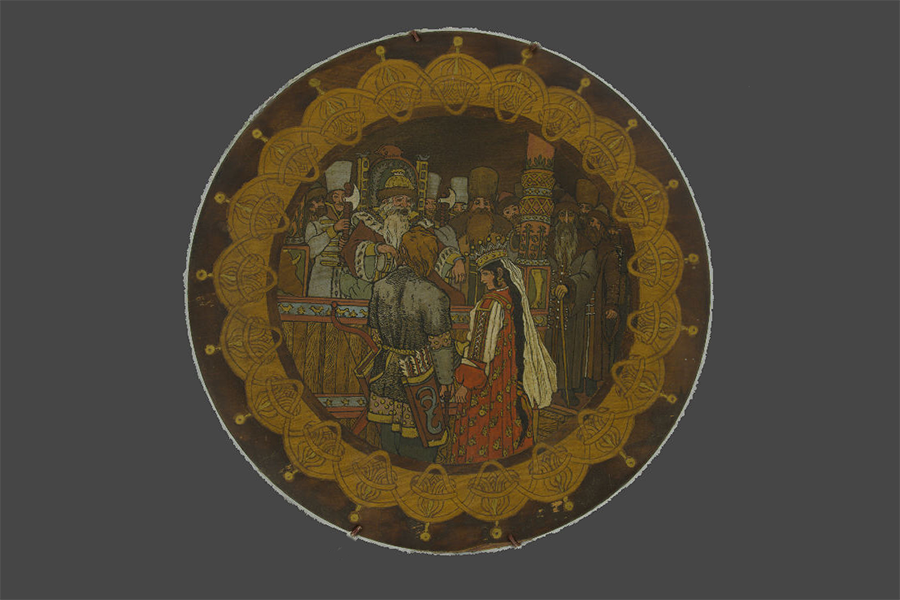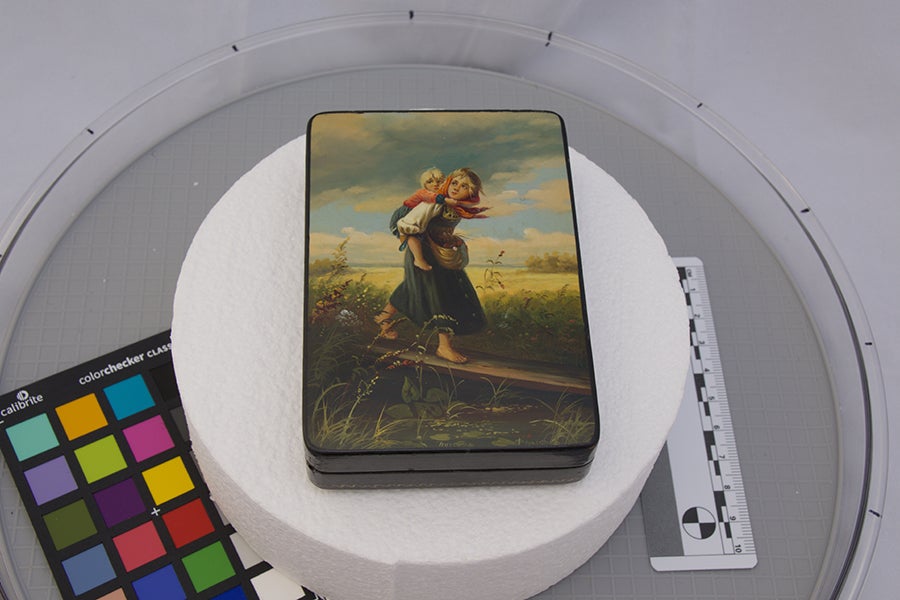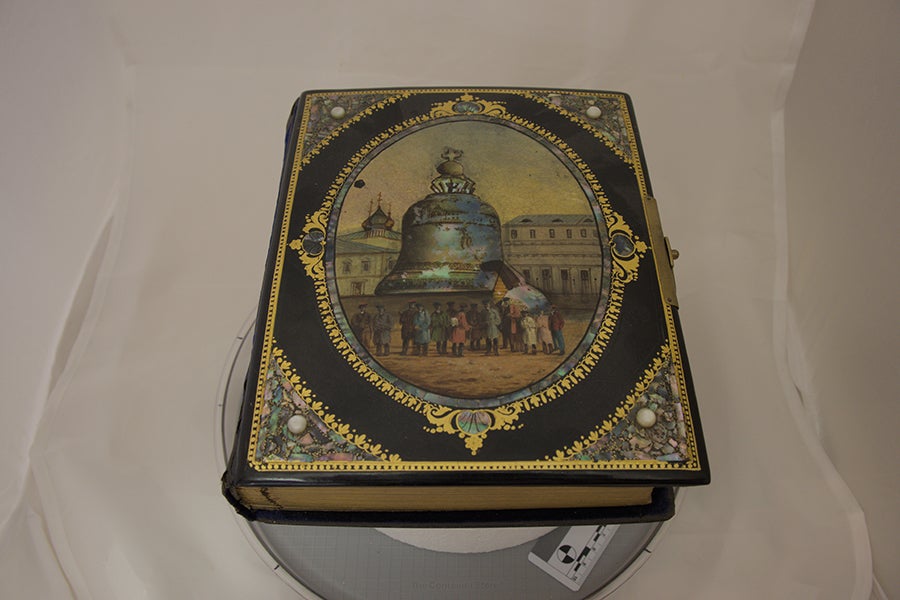

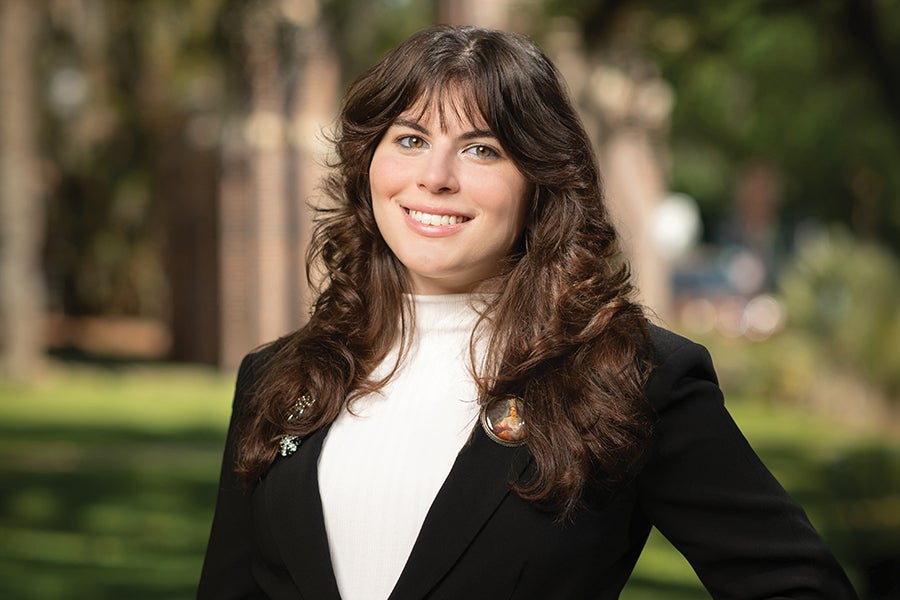
Sophie Works was on the hunt. While in Riga, Latvia, last summer as part of her Honors in the Major research, she was specifically looking for examples of Russian lacquer art.
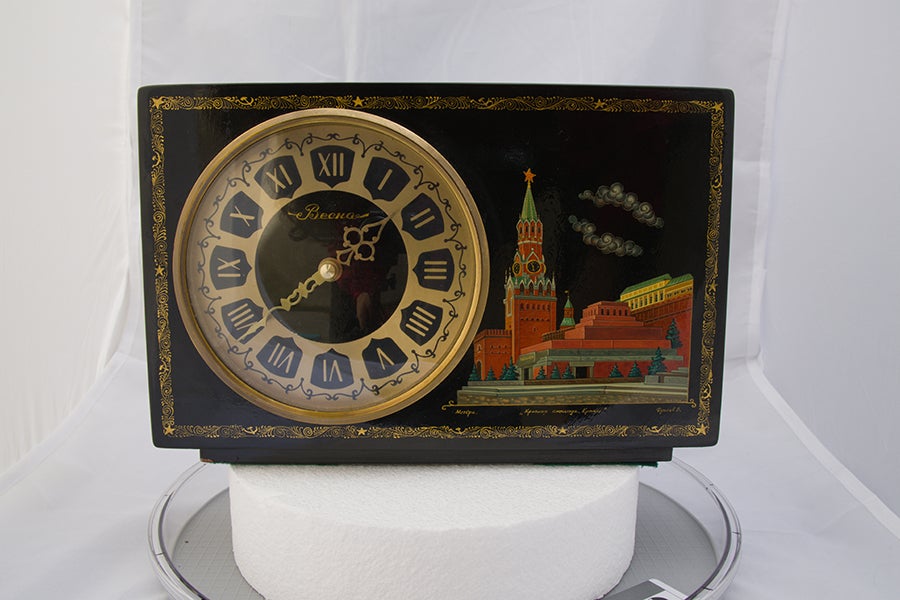
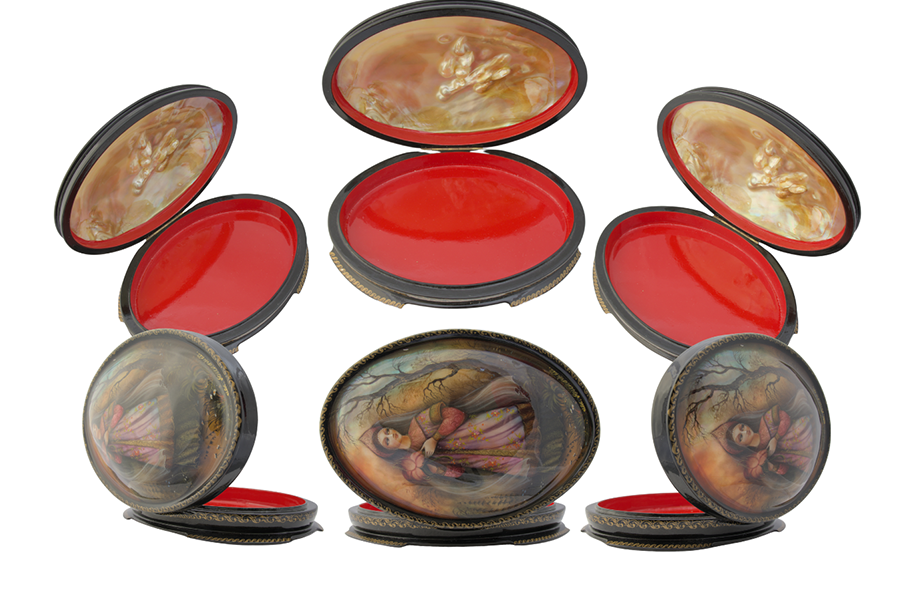
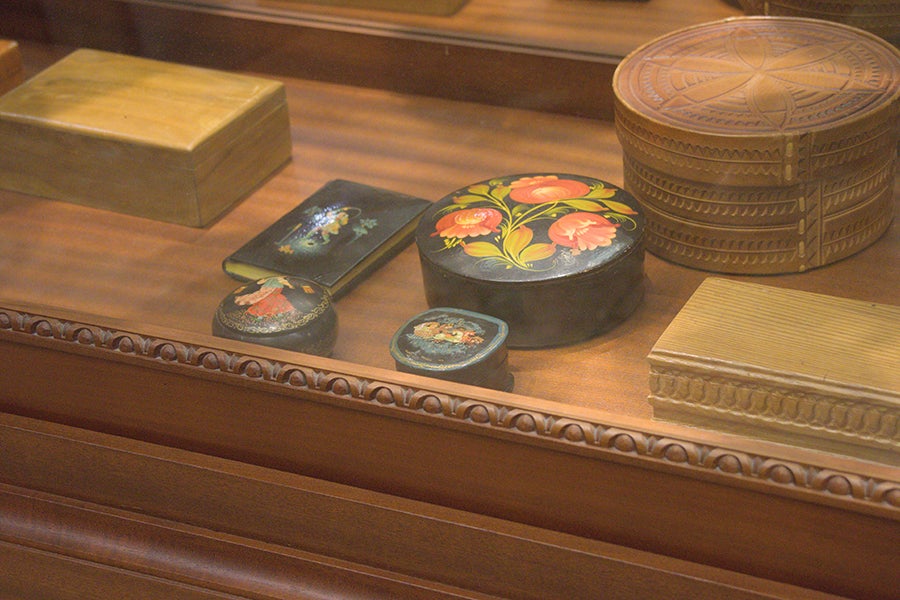
This traditional Russian folk-art form features glossy designs and detailed scenes hand-painted on items such as boxes, panels, trays and other small objects. The techniques are rooted in those used for centuries to paint religious icons; however, the scenes depicted shifted to Russian folklore and fairy tales following the 1917 Bolshevik Revolution and the formation of a secular society.
“Russian lacquer art pieces are often seen as merely decorative objects, but this art reveals how narratives of history and memory change over time,” said Works, a Florida State University junior pursuing dual degrees in Russian studies through the College of Arts and Sciences’ Department of Modern Languages and Linguistics and international affairs through the College of Social Sciences and Public Policy.
Latvia, along with Estonia and Lithuania, comprise the Baltic region, a geographic area bordering the Baltic Sea and extending across Northern and Eastern Europe. The Baltics have a complex history marked by cultural and religious persecution: The three countries were annexed by the Soviet Union in 1940, occupied by Nazi Germany from 1941 through 1944, and finally gained re-independence from the USSR in 1991 through a non-violent movement known as the Singing Revolution.
Works’ scholarship highlights historical perspectives outside of traditionally dominant interpretations, revealing how Russian lacquer art reflects historical events, political relationships and cultural identity.
“Through conversations with Latvians and Russians during my time abroad, I began to see how these objects aren’t just souvenirs — they’re reflections of how people remember, reinterpret, and sometimes challenge history across different cultural perspectives,” Works said. “They carry history, culture, and meaning tied to a specific place. From that moment on, I never looked at lacquer art pieces the same way.”
Russian lacquer art originated in the 14th century in four main production centers in Russia — Palekh, Kholui, Mstiora and Fedoskino — gaining popularity in the 18th century and continuing to spread via historical and cultural exchange.
“Lacquer art isn’t found in museums, but it is found among objects people grew up with at home,” said Works, whose trip to Latvia was funded by a 2025 Center for Undergraduate Research and Academic Engagement IDEA Grant and the Edna Rank International Study Award. “I examine these objects through a different cultural context, and my work investigates the meaning of this art using other frameworks than what has been done historically.”
Works’ passion for this art form began as a child during weekends spent antiquing alongside her mother. Her personal interest eventually found an academic home at FSU when she took a course covering the stories depicted on the lacquer art boxes she collected: Russian Fairy Tales and Folklore, taught by associate professor of modern languages and linguistics Lisa Ryoko Wakamiya.
“Sophie’s work recognizes the cultural and linguistic sovereignty of the Baltic nations while engaging with Russian cultural objects,” Wakamiya said. “Rather than viewing lacquer art at face value, she is committed to understanding its place in the contemporary experiences of people living in independent countries that were once Soviet-controlled and Russian-occupied territories.”
Works’ research has been supported through programs such as Global Scholars, an undergraduate program overseen by the FSU Center for Global Engagement that fosters global citizenship through academic research. She’s also part of FSU’s Honors Program and has presented at conferences including the Florida Undergraduate Research Leadership Summit, one of the largest multidisciplinary research conferences in the country, and the Southern Conference on Slavic Studies in Washington, D.C.
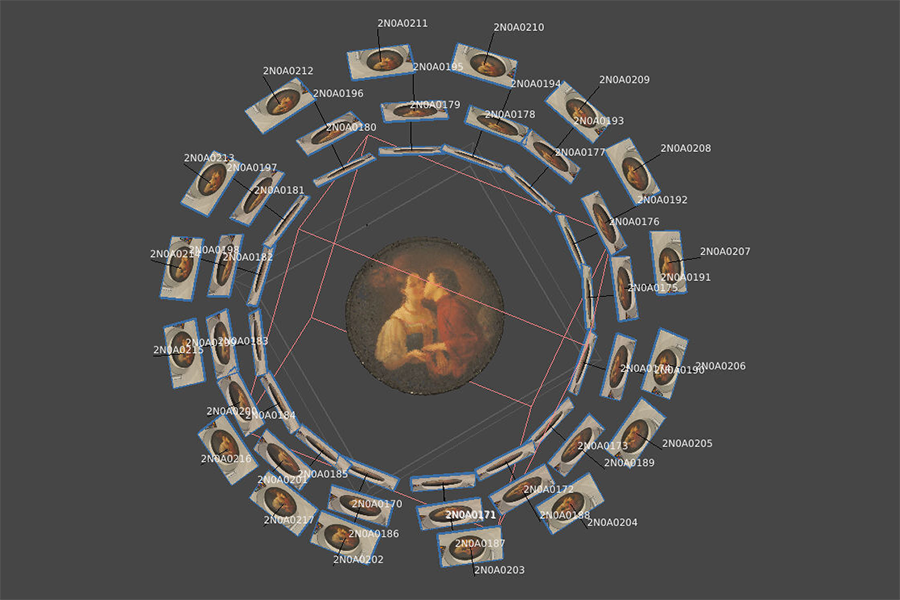
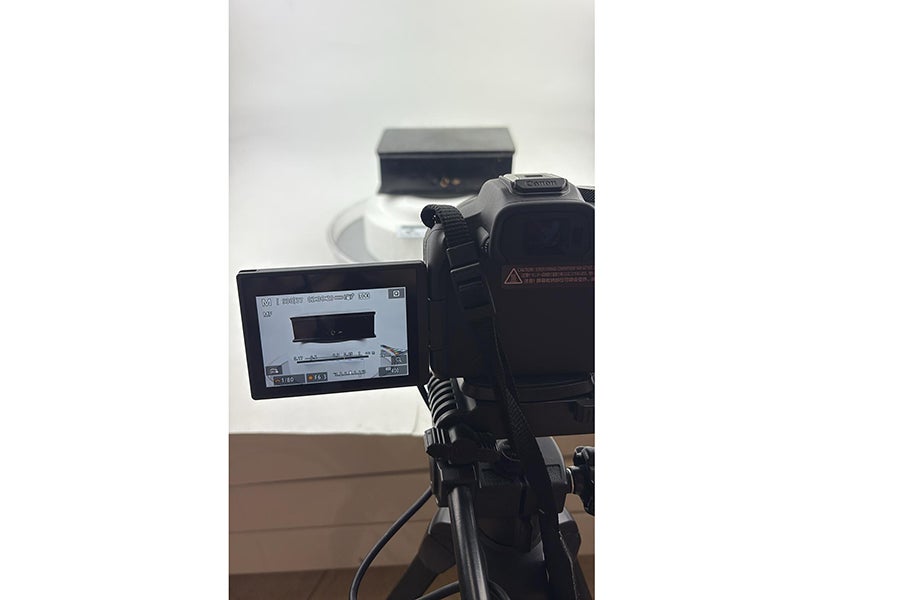
Currently, Works is developing a digital repository that transforms Russian art lacquer pieces into 3D models and creating an English-language database so audiences can closely examine how objects become associated with cultural memory. She hopes to continue her research while also inspiring young scholars to pursue their personal interests.
“FSU has completely changed the course of both my academic and personal life, and I want to carry that forward,” Works said. “If my story can help even one other student find an opportunity or inspire them to research something they care about, that would mean everything.”
Carolina Ortega-Martinez is an FSU alumna who earned dual bachelor's degrees in digital media production and editing, writing and media in May 2026.