
The team, led by Vokes Geology Professor Torbjörn Törnqvist of Tulane University in New Orleans, also includes sociology, architecture and marine science researchers from Tulane, Yale University in New Haven, Connecticut and Coastal Carolina University in Conway, South Carolina.
According to the World Meteorological Organization, nearly 40% of the world’s population lives less than 100 miles from a coast. Additionally, coastal counties in the U.S. are home to 40% of the nation’s population, per the National Oceanic and Atmospheric Administration. Researchers like Mehta use this legacy of coastal living, spanning approximately 5,000 years in this delta region, to help inform present-day and future thinking on adapting to ecologically dynamic environments to mediate coastal hazards for those living there.
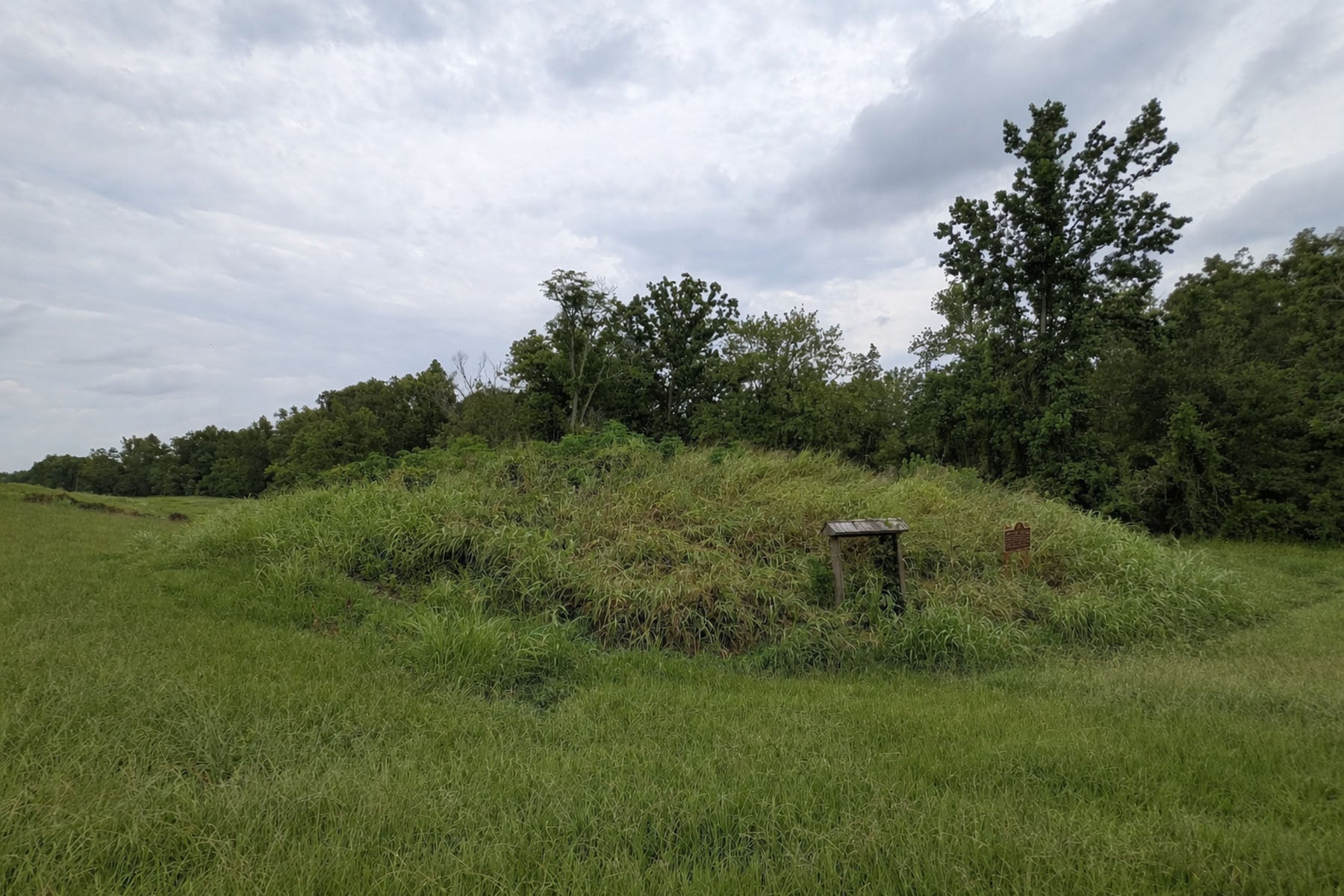
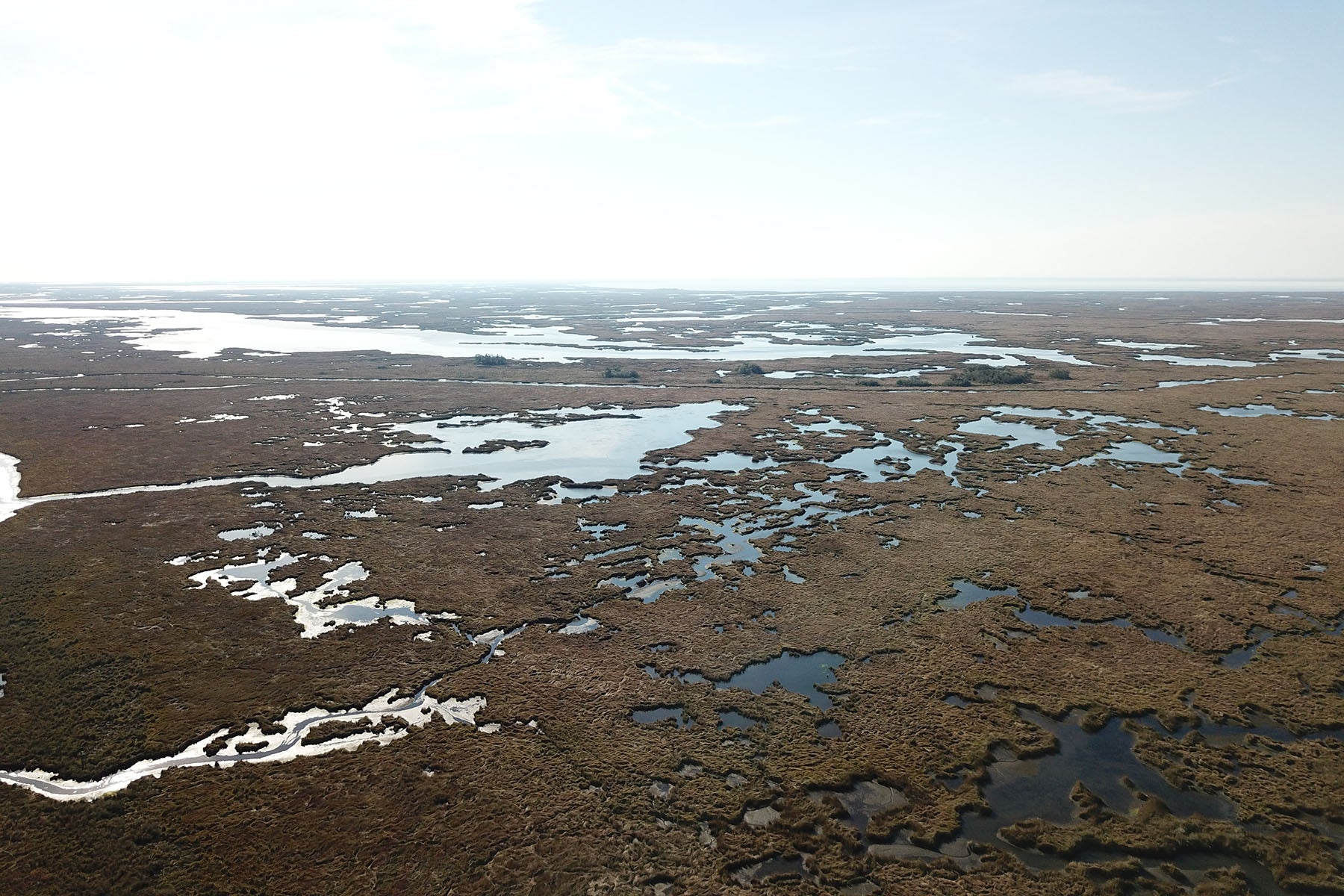
In analyzing pre-contact settlement patterns of the Mississippi River Delta, archaeological evidence shows that migration was an adaptive response to the changing environment as shorelines receded and landscapes changed across generations.
“The way that present-day communities live in these coastal settings is driven by our contemporary way of life, including where infrastructure is placed and what architecture and engineering codes are in place for buildings and living spaces,” Mehta said. “Adapting to the changing environment of coastal areas starts by recognizing that there are other ways that people live, and have lived, in coastal settings that we might consider unorthodox. Some of those ideas might hold solutions to our problems, and this archaeological perspective shows us that it’s possible to live in an ecologically dynamic environment even spanning long periods of time, as long as there’s an awareness of mobility and migration when necessary.”