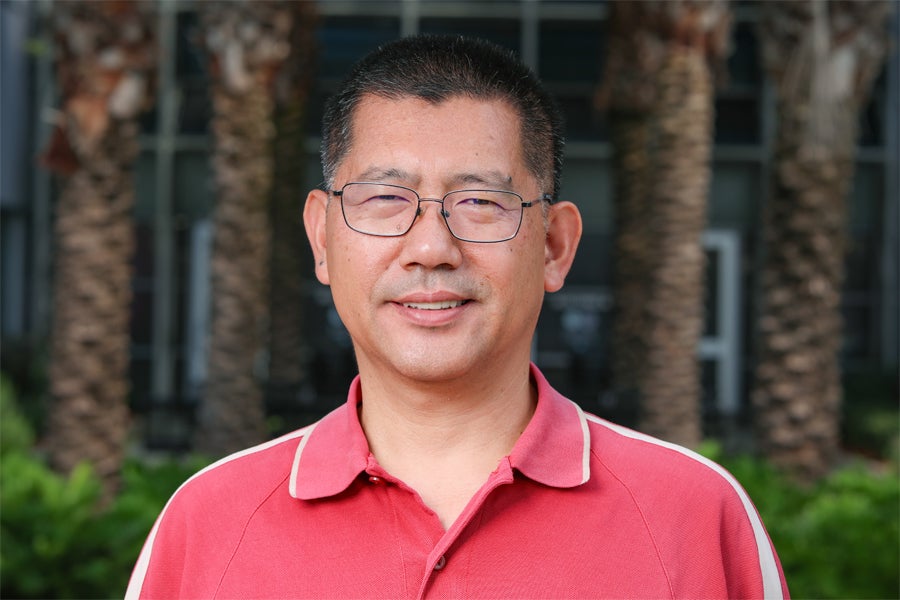
“All of Florida’s springs are facing critical issues: water level is dropping, amount of flow is decreasing, and water quality is becoming worse,” said Ye, who is also affiliated with the Department of Scientific Computing. “The funding of this project gives us a chance to finally go subsurface to understand both the quantity and quality of the water.”
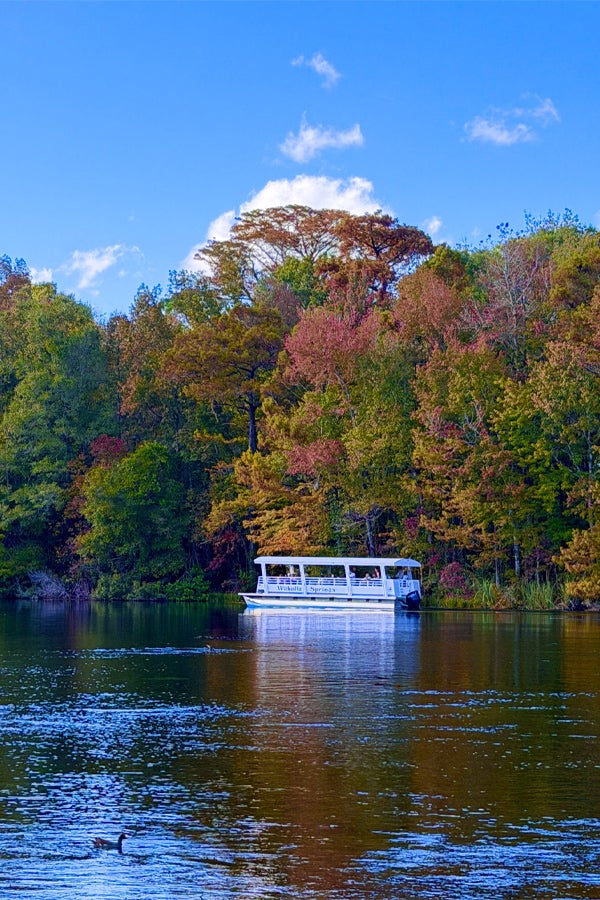
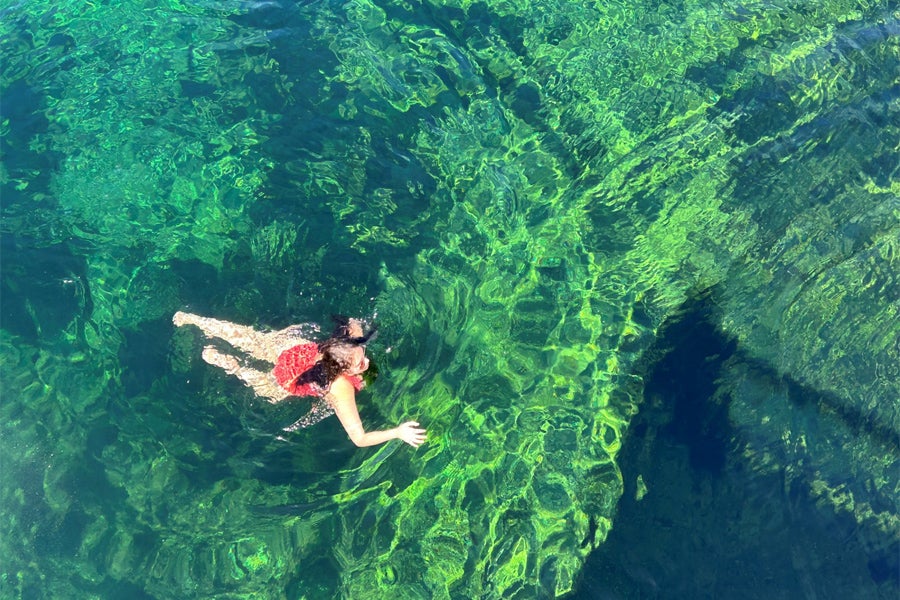
Wakulla Springs, just a 30-minute drive from FSU’s Tallahassee campus, is a natural exit point for the groundwater of the Floridian aquifer, one of the most productive aquifers in the world, which provides drinking water to nearly 10 million people. The basin comprises a series of caves, conduits and sinkholes that lead into Wakulla Springs, which was named an International Geological Heritage Site in 2024.
By testing water at the springs and mapping the cave systems that lead into it, researchers will better understand how our water is affected by the geological makeup of the caves it passes through and how it’s affected by various other environmental factors, from rising sea levels to pollution.
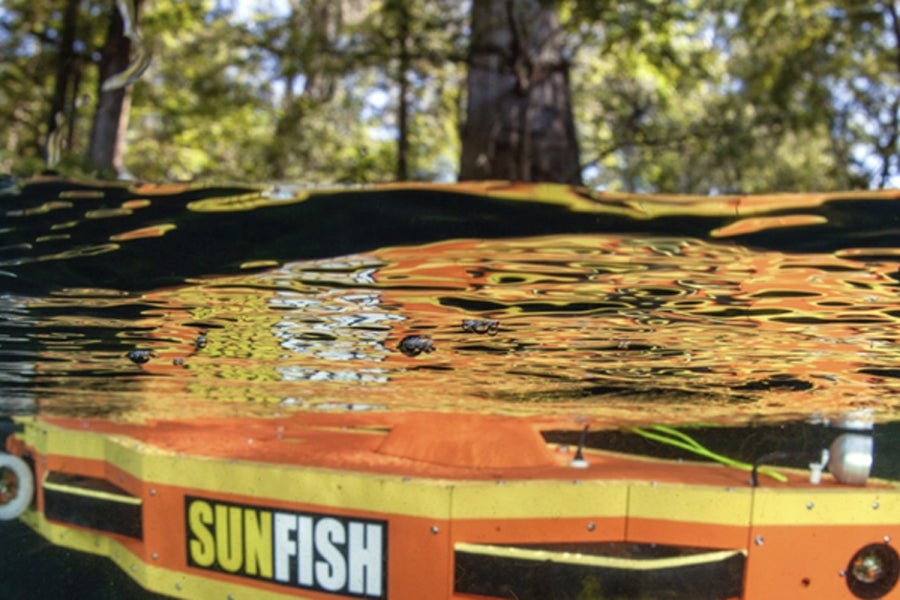
Ye will partner with the University of South Florida, a cave diving team of the Woodville Karst Plain Project, and SunFish, a Texas-based underwater field services company to train its new technology, the Underwater Autonomous Vehicle, in mapping cave systems beneath Wakulla Springs. While in the cave systems, divers will accompany the UAV — a small, drone-like machine — and “teach” it how to map the caves by guiding it through passages so the machine can work independently in the future.
“Ming is an expert in hydrogeology and using computational approaches to model groundwater transport, which helps him study fluid transport beneath the ground here in Florida,” said Michael Stukel, chair of the Department of Earth, Ocean and Atmospheric Science and a professor of oceanography and environmental science. “He’s a collaborative and interdisciplinary scientist and teacher whose work builds bridges across different curricular groups within EOAS.”