A Florida State University researcher will use a combination of artificial intelligence tools and laboratory testing to find innovative treatments for brain cancer, particularly for children.
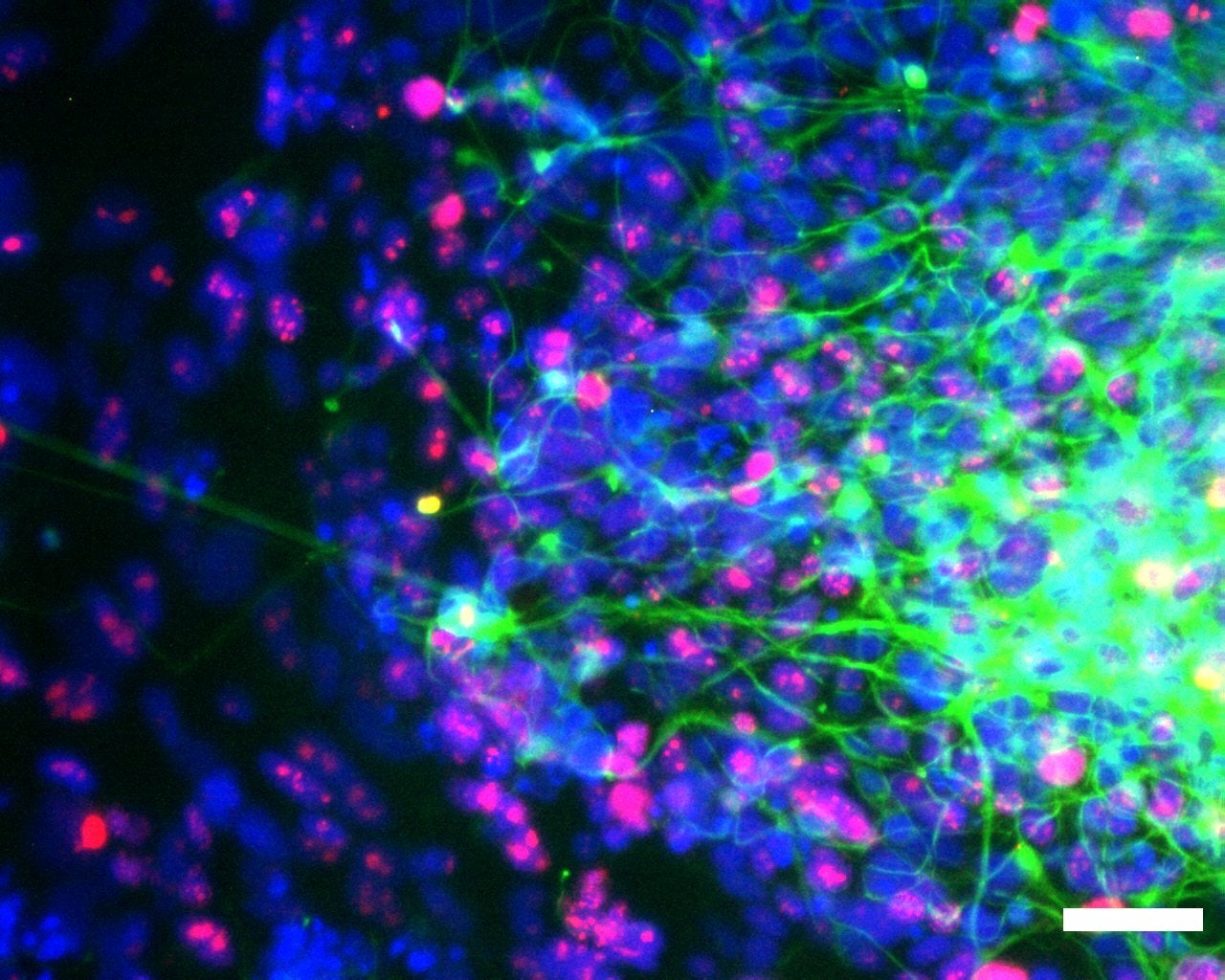
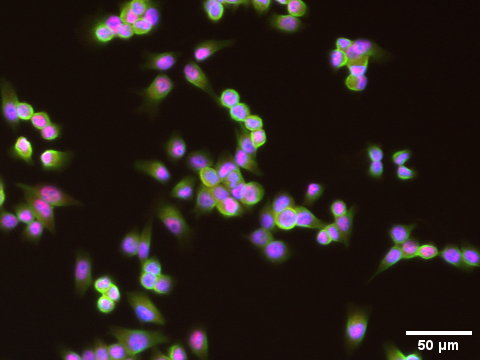
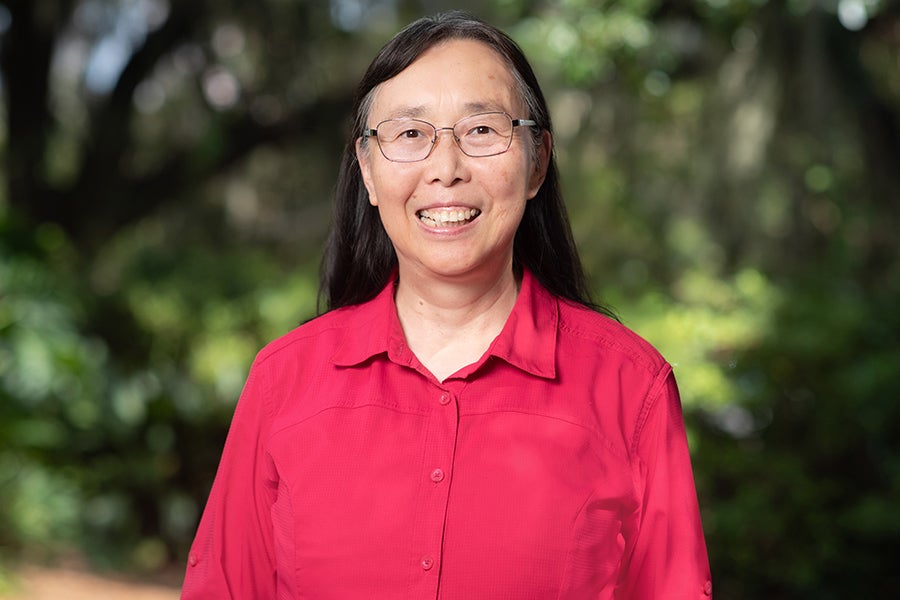
Qing-Xiang “Amy” Sang, the Diane and Michael Bruton Professor for Cancer Research in the Department of Chemistry and Biochemistry, received more than $500,000 from the Florida Cancer Innovation Fund to determine which existing cancer drugs have the potential to also effectively treat rare pediatric brain cancers. Sang will use AI to quickly sort through a large volume of data to identify which drugs show the most promise as brain cancer treatments before testing them in the laboratory to investigate how they interact with various brain cancers at the molecular level.
Created in 2024 under the Florida Department of Health, the Florida Cancer Innovation Fund aims to strengthen collaborations between oncologists and scientists by supporting cutting-edge cancer research and treatment models.
“Brain cancers are among the deadliest and hardest-to-treat cancers in both children and adults,” Sang said. “There are many types of brain cancers, so a drug that works well against one may do nothing against another. However, different tumors often share hidden similarities in their underlying biology. This grant will help us examine drugs that are already known to work against certain cancers and test whether they can also treat different, less-studied types of brain cancer.”
There are nearly 600 cancer-fighting drugs on the market today, made possible by countless hours of research, culminating in the production of more than 1 million cancer-related scientific publications worldwide from 2010-2019 alone. These publications contain valuable findings on cancer biology, cancer-drug interactions and patient response to different treatments.
However, because the volume of research is so vast, it would be nearly impossible for one person, or even one laboratory group, to spot crucial patterns across this data set even if they had the time and funding to do so. Sang will use AI to bridge this gap, quickly analyzing which of those nearly 600 cancer drugs have the highest potential to effectively combat specific understudied brain cancers, such as atypical teratoid rhabdoid tumors and diffuse intrinsic pontine glioma — both of which are rare and presently incurable pediatric brain cancers.