
Data Science in Detail: Sai Lohitha Jangala Ramu
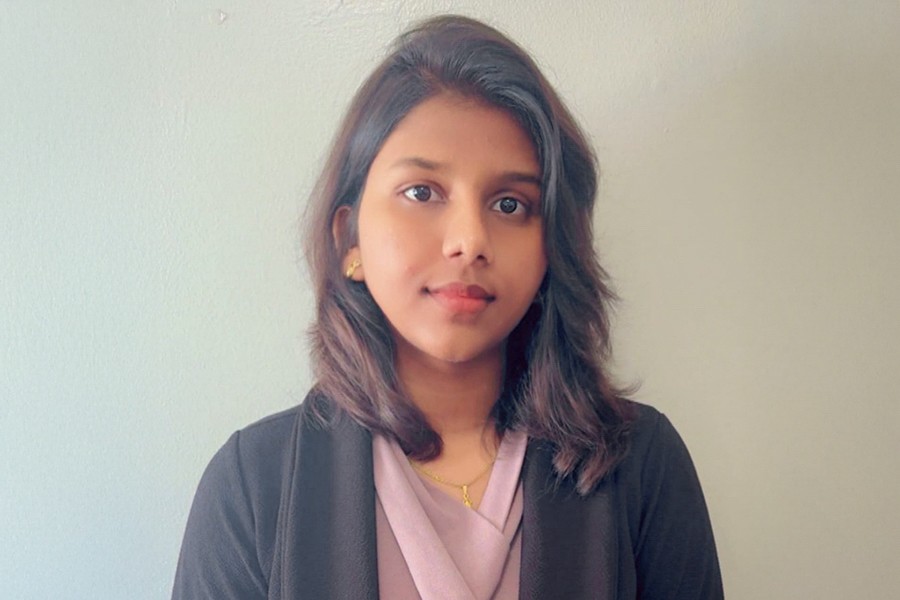
Sai Lohitha Jangala Ramu graduated from Florida State University in Spring 2025 with a master’s degree in data science through FSU’s Interdisciplinary Data Science Master’s Degree Program, or IDS, part of the College of Arts and Sciences. Ramu earned her bachelor of technology degree in computer science in 2023 from Jawaharlal Nehru Technological University Anantapur in Kalikiri, India, and she currently works as a software development engineer on the supply chain solutions team at Amazon.
Where are you from, and what made you choose FSU?
I hail from Tirupati, India, where my passion for computer science began. I was drawn to FSU for its high rankings in Niche reports on top public universities, which are based on data from the U.S. Department of Education and the National Science Foundation along with student, parent and resident reviews. FSU also has an exceptional reputation as an R1 research institution, which is the highest tier for a research university in the U.S. I was particularly drawn to FSU for the IDS program’s unique blend between computer and data science as well as FSU’s global community and support for international students.
What inspired you to choose your major and specific area of research?
Artificial intelligence has always fascinated me as it merges logic with human-like intuition, pushing the boundaries of what machines can understand and create. As a kid, I was captivated by the movie “The Iron Giant,” in which a robot learns to make complex decisions based on empathy, ultimately saving its town. This sparked my curiosity about how machines can learn from their environments and adapt. This led me to data science where I leverage machine-learning algorithms and advanced analytics to create models that mimic human learning processes, creating real-world solutions ranging from health care diagnostics and treatment plans to personalized online retail experiences.
What was your favorite part about studying statistics and data science at FSU?
I deepened my expertise in AI, ML, and predictive analytics through specialized electives in the IDS program while collaborating with peers to fuel a cross-pollination of ideas. I experienced how data science draws from computer science, statistics, mathematics, and scientific computing, and that combination is what makes the field so powerful.
FSU’s annual Artificial Intelligence and Machine Learning Expo became my intellectual playground, offering industry-led seminars that turn concepts into real-world solutions. Networking events with companies like NextEra Energy, Knowli Data Science, Ruvos, and others broadened my career outlook while the seminars bridged academic theory with industry demands.
Tell us about your current role at Amazon as a software development engineer.
I’m part of the supply chain solutions team, and my work focuses on building adaptable back-end systems that leverage AI and advanced analytics to strengthen logistic operations across Amazon’s global network. In practice, I’m designing and coding services that help Amazon predict demand, streamline procurement by optimizing solutions and operations, and make smarter and faster inventory decisions.
A typical day involves writing code in Java and Python, designing application programming interfaces that allow different systems and devices to communicate, reviewing code with colleagues, and joining design discussions where supply chain challenges meet AI-driven solutions. What excites me the most is knowing that the work I’m doing doesn’t just stay on paper but that it ripples out to real people and improves how quickly and reliably products reach customers around the world.
What’s your favorite part about your job?
My favorite thing about what I do is the people I get to work with. Every conversation with colleagues, whether it’s a quick coffee chat or a deep dive into a design discussion, leaves me with new insights. There’s something magical about sitting with experienced engineers and realizing that we’re building solutions today that the world hasn’t seen yet. That shared excitement keeps me motivated and reminds me why I love this field.
What has been most surprising to you about the field of data science?
What’s surprised me the most about data science is how human-centered it is. We often picture the field as just algorithms, code, and statistics, but behind every dataset are real stories like communities searching for solutions, families waiting for deliveries or businesses making decisions. I’ve learned that success doesn’t always come from the most complex models; it comes from building systems that make life easier, safer or more efficient. That realization has kept me grounded and strengthened my belief that technology is at its best when it serves people.
Are there any faculty or staff members who inspired you?
I’m grateful for Jennifer Clark, administrative director of IDS, whose guidance kept me grounded. I’m also grateful to professor of scientific computing and director of the IDS program Gordon Erlebacher, whose bold approach to data science challenged me to think bigger, and Center for Global Engagement international student advisor Lacey Moret who supported my career journey.
What advice do you have for students considering careers in data science?
Say yes to every opportunity that comes your way, whether it’s an internship, hackathon, research project or volunteer event. Along the way to earning my bachelor’s and master’s degrees, I said yes to academic and career experiences outside of my comfort zone, and those moments ended up shaping me the most. Don’t let a potential lack of experience discourage you because nobody begins as an expert.
It’s important to realize that data science isn’t just about coding or statistics but about connecting many disciplines to solve real problems; embrace that interdisciplinary nature and learn across domains. Build your network early by asking questions and talking to professors and directors. Remember that opportunities are rarely labeled; you recognize them only when you seize them. Every step becomes part of the story of how you reach your dream so take chances, be curious, stay humble, and trust the journey — you're closer than you think.
Lillian Gonda contributed to this piece.