An interdisciplinary team from Florida State University’s Department of Earth, Ocean, and Atmospheric Science has uncovered new evidence about processes that may have contributed to ancient mass-extinction events, some of the most dramatic ecosystem reorganizations in Earth’s history.
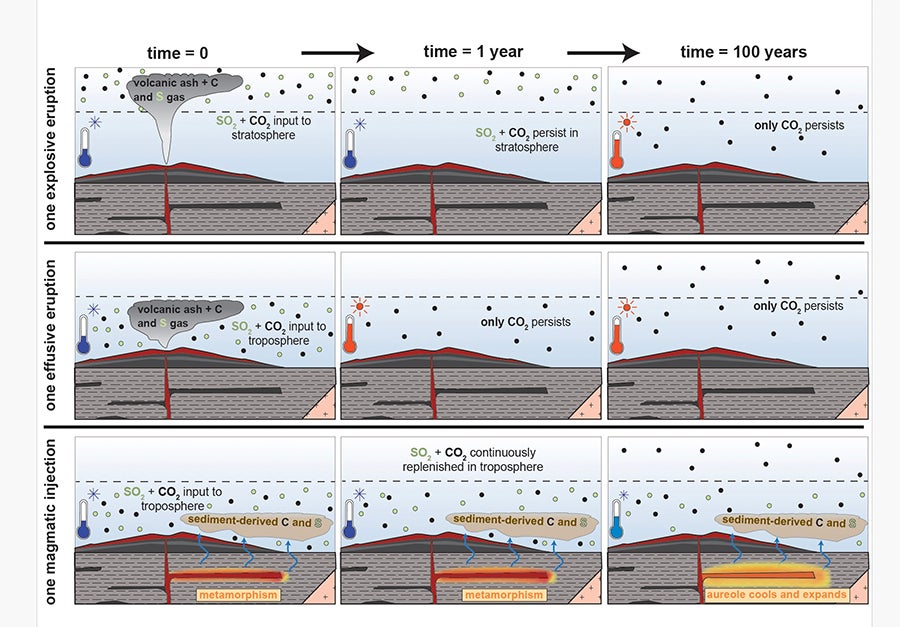
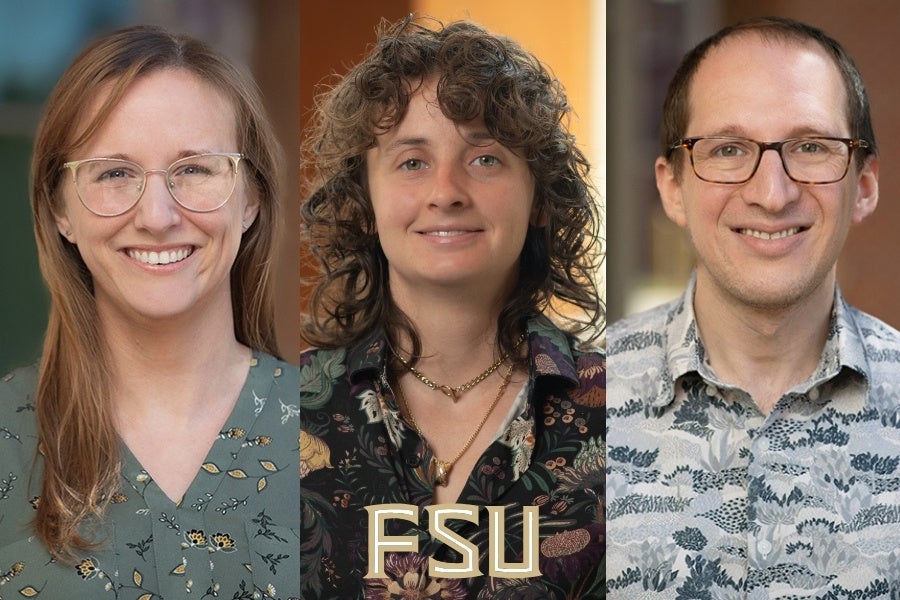
Assistant professor of meteorology Michael Diamond, assistant professor of geology Emily Stewart, and geology doctoral student Lindsi Allman combined deep-earth geochemistry and atmospheric science to show that natural sulfur and carbon released from metamorphic rocks affects the environment in similar ways to emissions from volcanic eruptions, long considered the primary drivers of mass-extinction events.
The study, “Metamorphic sulfur release as a driver of sustained cooling and mass extinction,” was published today in Science Advances.
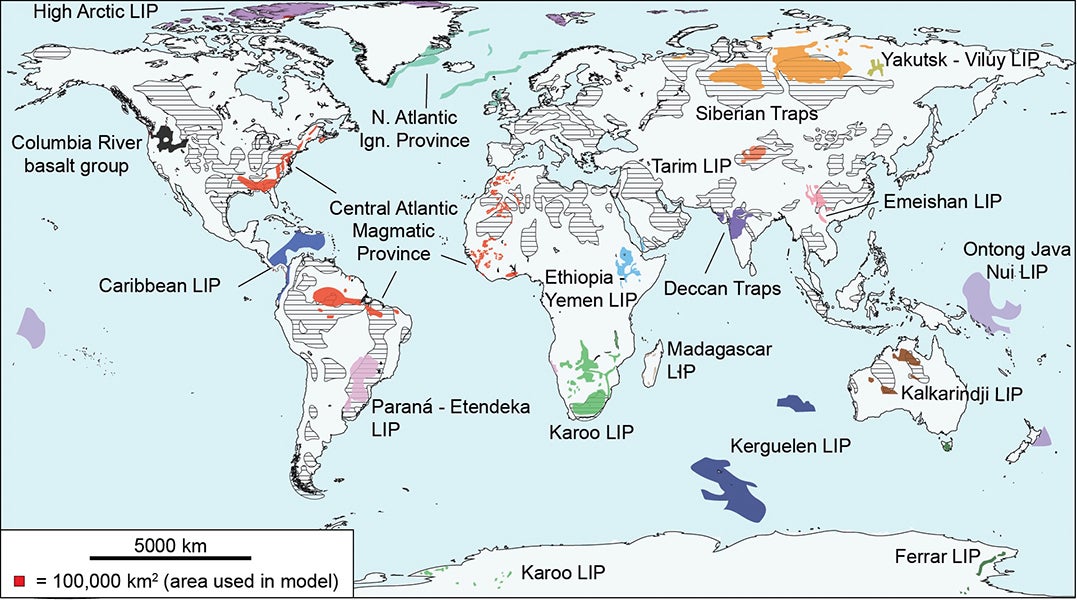
“Evidence shows that the process that wipes out species is a climate swing, or an oscillation back and forth between hot and cold climates,” said Stewart, who researches the effects of metamorphic fluids on Earth’s cycles and long-term habitability. “Some extinctions are correlated with the timing of eruptions in large igneous provinces, which are massive magmatic areas that have seen lots of volcanic eruptions and lava spewing out of Earth’s surface. As long as geology as a field has existed, scientists have believed that volcanic eruptions and their emissions were the primary trigger for rapid global cooling and climate swings. We found another process that contributes to these events: metamorphism.”